Projects / Trowell Land Opportunity
An ecological interpretation of 46 acres near Trowell.
This land is currently for sale. The content presented here reflects the HEADTURNED Foundation’s conservation-led interpretation of the site’s ecological potential if it were ever placed into long-term stewardship. It is not an active Foundation project, and no works have been initiated. It is an exploratory land opportunity presented through the lens of habitat recovery, biodiversity, and landscape value.
Context and position
A land opportunity with meaningful ecological potential.
This site, located near Trowell and Cossall in Nottinghamshire, represents a substantial area of land with the potential to move toward a richer and more natural ecological condition over time.
The Foundation’s interest at this stage is interpretive and exploratory. The aim is to consider what the land might support if guided by long-term conservation priorities rather than more intensive land use.
Across approximately 46 acres, the opportunity is not simply to preserve what exists, but to understand how woodland, meadow, water, habitat edges, and natural corridors could function together as a more coherent living system.
Early evaluation
The Foundation has held discussions with the current landowners and has been permitted to evaluate the site at an early stage.
That evaluation includes drone mapping, modelling technologies, and broader landscape interpretation to understand how the site may function from a conservation and habitat perspective.
The Foundation has also considered the land in relation to wider ecological themes such as trees, habitats, and land character, with reference to advisory understanding relevant to county-level environmental context.
This work is exploratory only. It is intended to assess what may be possible on the land, not to imply ownership, approved implementation, or committed intervention.
Ecological interpretation
A landscape that could be guided toward biodiversity, habitat recovery, and long-term ecological value.
The Foundation’s interpretation is centred on conservation, rewilding principles, and habitat diversification. Rather than viewing the land as a short-term intervention, the focus is on how it might gradually develop into a more resilient and nature-led environment over time.
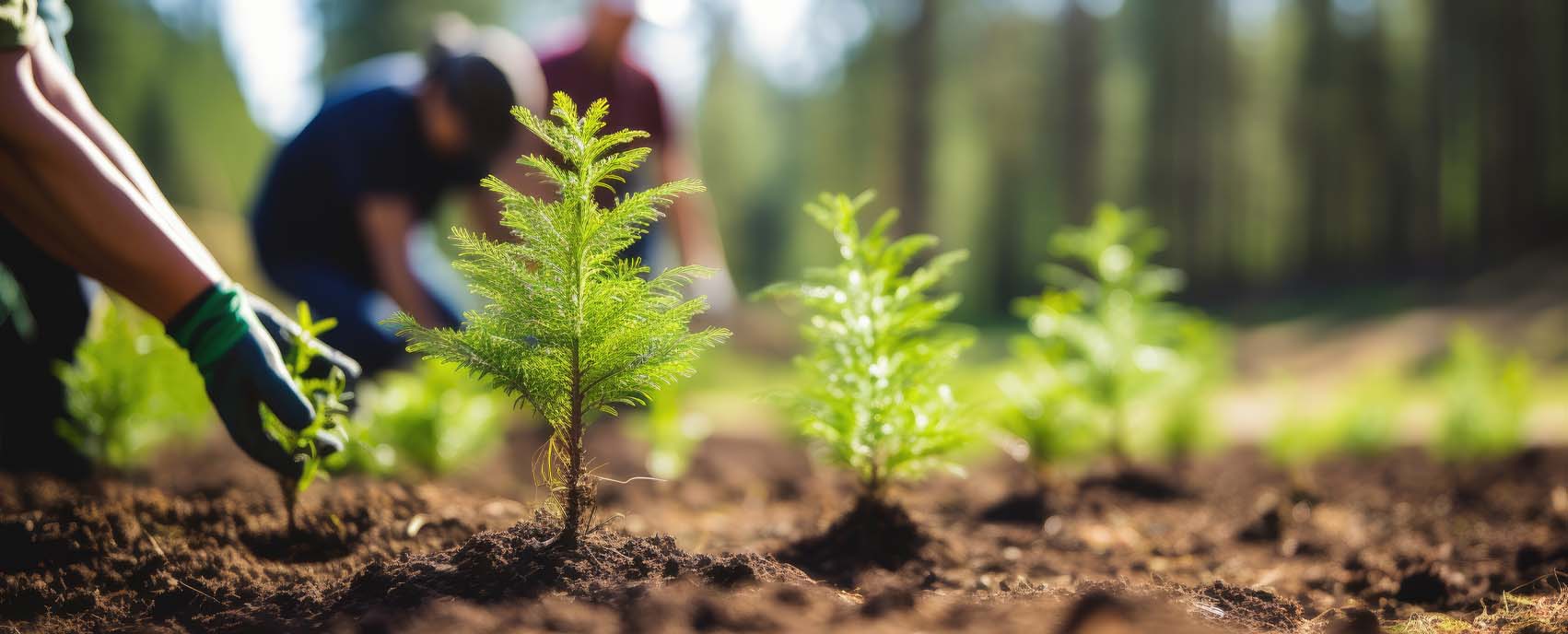
That may include extensive native tree planting, including species such as black poplar alongside a wider mix of native trees suited to the landscape. Seasonal flowering trees, including red cherry blossom varieties where appropriate, could also contribute visual richness and pollinator value.
Meadow recovery, stronger hedgerows, and carefully considered habitat edges could support birds, insects, mammals, and the wider ecological relationships that allow land to function more naturally.
Habitat opportunities
Additional features could significantly broaden the site’s ecological value.
One of the most significant possibilities is the addition of a pond or wetland feature. Even a single well-designed water habitat can strengthen the ecological performance of a site by attracting amphibians, insects, birds, and mammals while supporting surrounding plant life.
In combination with woodland belts, species-rich meadow areas, and strengthened hedgerows, that kind of habitat layering could create a broader lifecycle offering for nature across the full 46 acres.
The purpose of this interpretation is not to over-design the land, but to understand how it could become calmer, richer, and more supportive of biodiversity if guided with ecological care.
Native woodland expansion
A broader woodland structure using native species could strengthen habitat, shelter, biodiversity, and long-term ecological resilience across the site.
Pond and wetland habitat
A well-positioned pond or wetland feature could create valuable habitat for amphibians, insects, birds, and surrounding plant life while increasing overall ecosystem diversity.
Meadow and pollinator recovery
Species-rich meadow areas could support pollinators, insects, seed-eating birds, and wider food-chain recovery while enriching the seasonal character of the landscape.
Hedgerows and natural corridors
Strengthening boundaries and habitat corridors could improve wildlife movement across the land and help reconnect fragmented ecological patterns.
Why this matters
It helps show what responsible conservation thinking looks like before any action is taken.
Pages like this matter because they communicate ecological possibility clearly and responsibly. They allow the Foundation to interpret land through a conservation-led lens without overstating status, ownership, or certainty.
They also help demonstrate that good stewardship begins with observation, mapping, habitat understanding, and careful evaluation rather than immediate intervention.
Important note
This page presents a conceptual ecological interpretation only.
The land is not currently owned or managed by the HEADTURNED Foundation, and no on-site works have been undertaken by the Foundation.
Any future involvement would depend on landowner agreement, acquisition terms if relevant, ecological surveys, regulatory considerations, and appropriate environmental guidance.
The purpose of this page is to communicate ecological potential and conservation thinking rather than present an active delivery project.