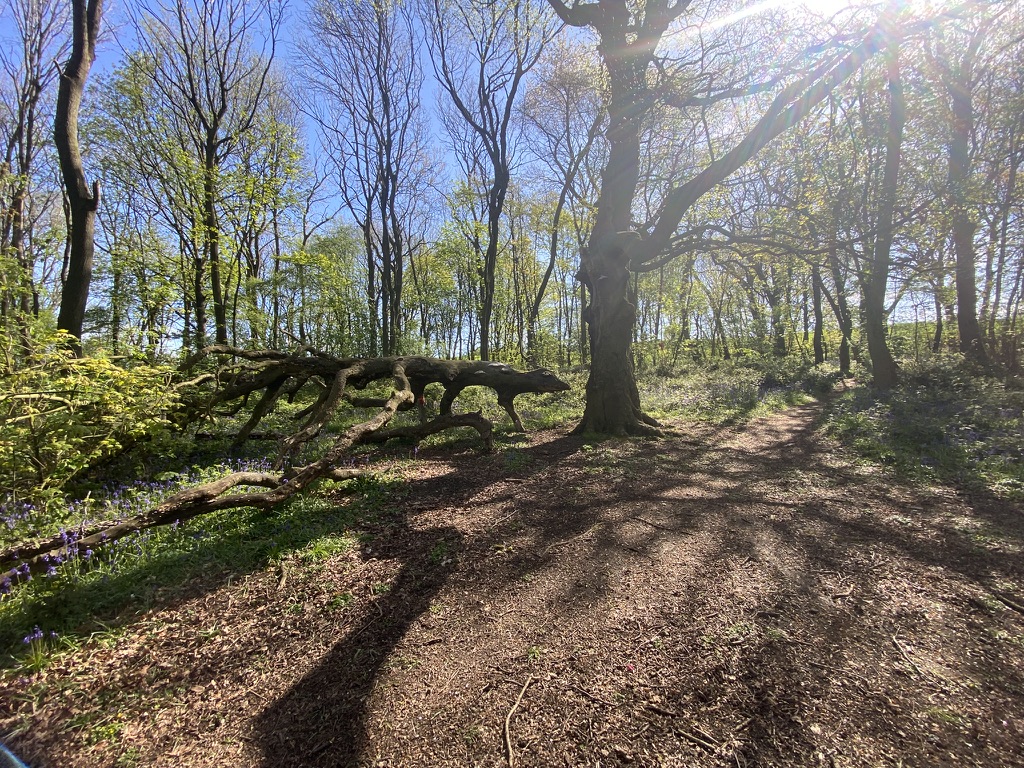
Habitat restoration
Supporting restoration, rewilding, biodiversity recovery, native planting, soil health, and habitat protection.
Pillar / Conservation & Rewilding
Conservation & Rewilding is the ecological recovery pillar of the Foundation ecosystem: beginning with land protection and habitat regeneration, while connecting long-term with wider conservation work across species, waterways, oceans, and global recovery efforts.
The challenge
Across the world, living systems are being weakened by habitat loss, fragmentation, biodiversity decline, pollution, poor land use, damaged waterways, pressure on marine life, and sustained human impact.
Repairing that damage takes more than surface-level improvement. Recovery depends on protection, patience, stewardship, collaboration, and the ability to support nature at a scale that allows complexity and resilience to return.
Purpose
The Foundation’s own conservation work begins with securing, protecting, and regenerating land in ways that restore habitat, increase biodiversity, support native species, and create stronger ecological systems.
That includes woodland growth, pollinator support, breeding bird habitats, richer soil systems, water health, and the wider re-establishment of living environments capable of sustaining life more fully.
But the wider commitment is not limited to land alone. Long-term ecological recovery also means recognising the importance of oceans, waterways, marine life, rescue, rehabilitation, global conservation knowledge, and practical collaboration.
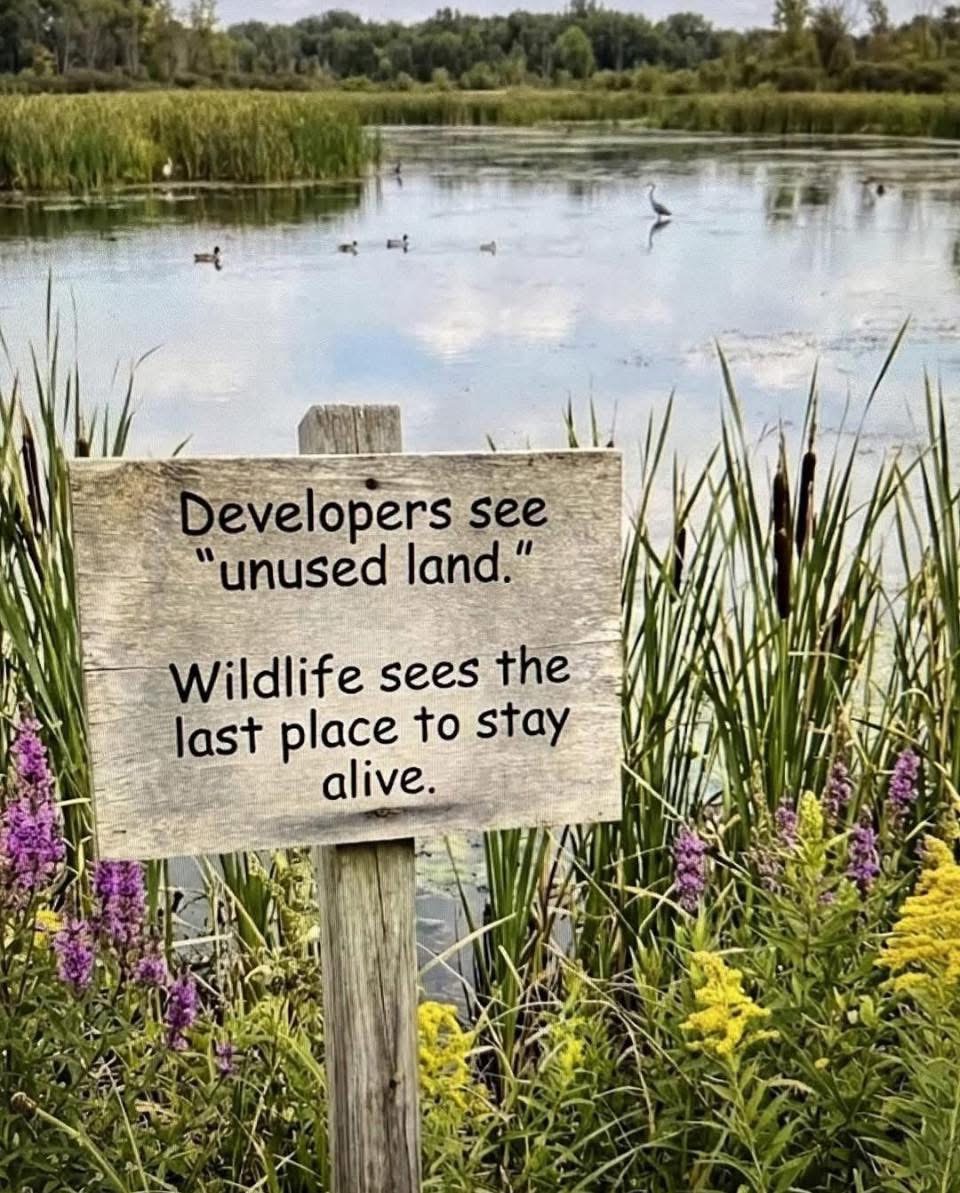
Habitat recovery
Restoring woodland, grassland, hedgerows, waterways, ecological corridors, and living habitats that allow biodiversity to strengthen.
Species support
Creating better conditions for insects, pollinators, birds, mammals, marine life, and wider native species to recover and thrive.
Long-term stewardship
Treating ecological recovery as a serious ongoing responsibility rather than a cosmetic or short-term intervention.
Land and rewilding
Land purchase and protection can create the conditions for rewilding at its best: space for habitats to recover, species to return, and ecological processes to strengthen.
When land is allowed to heal properly, it can support woodland growth, pollinators, insects, breeding birds, richer soil systems, water health, and a wider chain of biodiversity that cannot be manufactured through short-term intervention alone.
Rewilding in this sense is not abandonment. It is structured ecological recovery, guided by an understanding of how land, species, water, soil, and habitat interact.
Beyond land
The Foundation’s own land work is only one part of a much wider conservation picture. Across the world, organisations are already doing extraordinary work in cleanups, rescue, rehabilitation, habitat recovery, species protection, marine biology, and ecological restoration.
The long-term aim is to support, learn from, collaborate with, and help strengthen serious conservation work wherever aligned contribution can create real value.
Habitat restoration
Supporting restoration, rewilding, biodiversity recovery, native planting, soil health, and habitat protection.
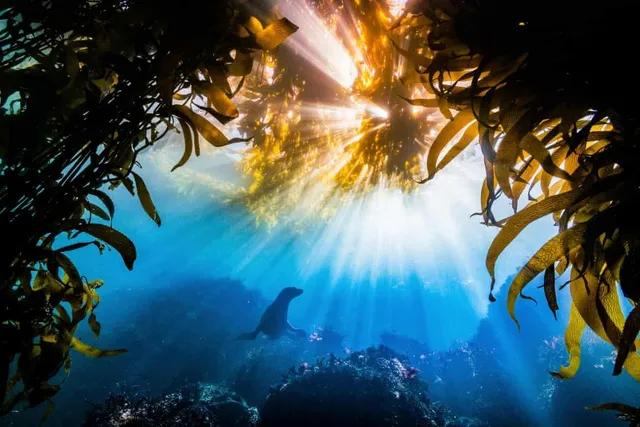
Marine recovery
Recognising the importance of marine biology, marine life, rivers, coastal systems, cleanups, and aquatic habitat recovery.

Rescue and rehabilitation
Connecting with organisations involved in species protection, animal rescue, rehabilitation, recovery, and long-term care.
How it works
Work is grounded in responsible land recovery, habitat support, biodiversity-first thinking, and the creation of conditions in which living systems can become stronger and more resilient.
Practical restoration remains central, while learning, innovation, and public understanding help extend the value of that work across the wider ecosystem.
What it enables
Ecological restoration can improve habitat quality, strengthen biodiversity, support species recovery, and create more resilient long-term conditions for the future.
It also helps reconnect people with the reality that healthy land, water, oceans, and habitats are living systems on which wider environmental stability depends.
Innovation support
The Innovation Hub gives the Foundation a way to support ecological recovery with practical tools: data analysis, mapping, monitoring, environmental modelling, imaging, reporting, and better systems for long-term decision-making.
Used properly, technology does not replace conservation knowledge. It strengthens it by helping people understand change, identify patterns, measure progress, and coordinate work with greater clarity.
Monitoring
Using data, mapping, imaging, and long-term observation to better understand ecological change.
Analysis
Applying technology and environmental intelligence to support better decisions, reporting, and restoration planning.
Innovation
Exploring practical tools that help conservation organisations strengthen their work, visibility, and impact.
Global collaboration
Conservation work becomes stronger when knowledge, learning, resources, and practical insight are shared across borders, disciplines, and environments.
The Foundation’s long-term role is to take responsibility for its own ecological recovery work while also supporting organisations already achieving meaningful results across land, oceans, wildlife, rescue, rehabilitation, and habitat restoration.
This is a collective challenge. Stronger systems emerge when people, organisations, science, technology, and lived conservation experience are allowed to connect.
Long-term direction
The long-term ambition is to help build stronger ecological intelligence, conservation collaboration, and recovery capability across interconnected systems worldwide.
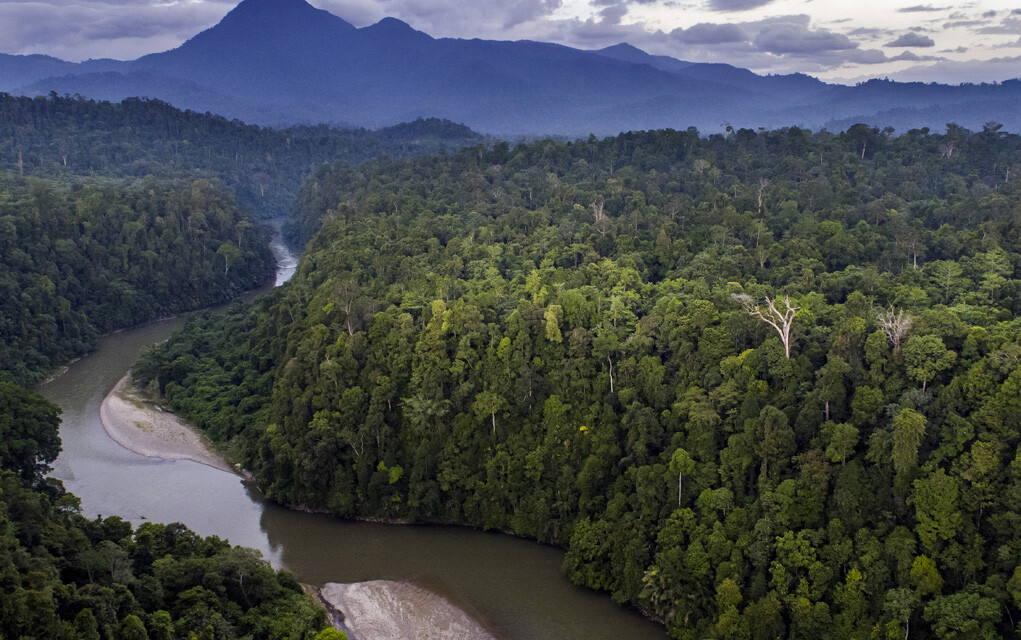
Follow the work
Follow the HEADTURNED Foundation on the HEADTURNED PPV platform to subscribe, support the journey, and watch our conservation and rewilding projects grow.
See the progress, understand the work, and explore how reconnecting humanity with nature can become part of a wider future-facing ecosystem.
HEADTURNED PPV
Subscribe, follow the progress, and be part of what grows next.
Real projects. Real updates. A direct connection to the work as it develops.