Pillar / Animal Sanctuary
Protection, care, and sanctuary built as a system of welfare, dignity, and long-term responsibility.
The Animal Sanctuary is the care layer of the Foundation ecosystem: a structured welfare system for protection, rehabilitation, fostering, adoption, rewilding and release where possible, and lifelong sanctuary where needed.
Purpose
Protection requires structure, not reaction.
Across domestic, farm, and wild animals, the gap between need and capacity continues to widen. Neglect, displacement, abandonment, and poor welfare conditions remain common realities.
Meaningful protection requires more than rescue alone. It requires a system capable of delivering care, recovery, and long-term responsibility with consistency and clear standards.
The Animal Sanctuary is designed to provide that structure as a durable part of the Foundation ecosystem.
Scope of care
Different animals require different environments and approaches.
Care is structured across domestic animals, farm animals, wildlife, and extended species including insects and reptiles. Each requires a distinct environment, level of interaction, and long-term approach.
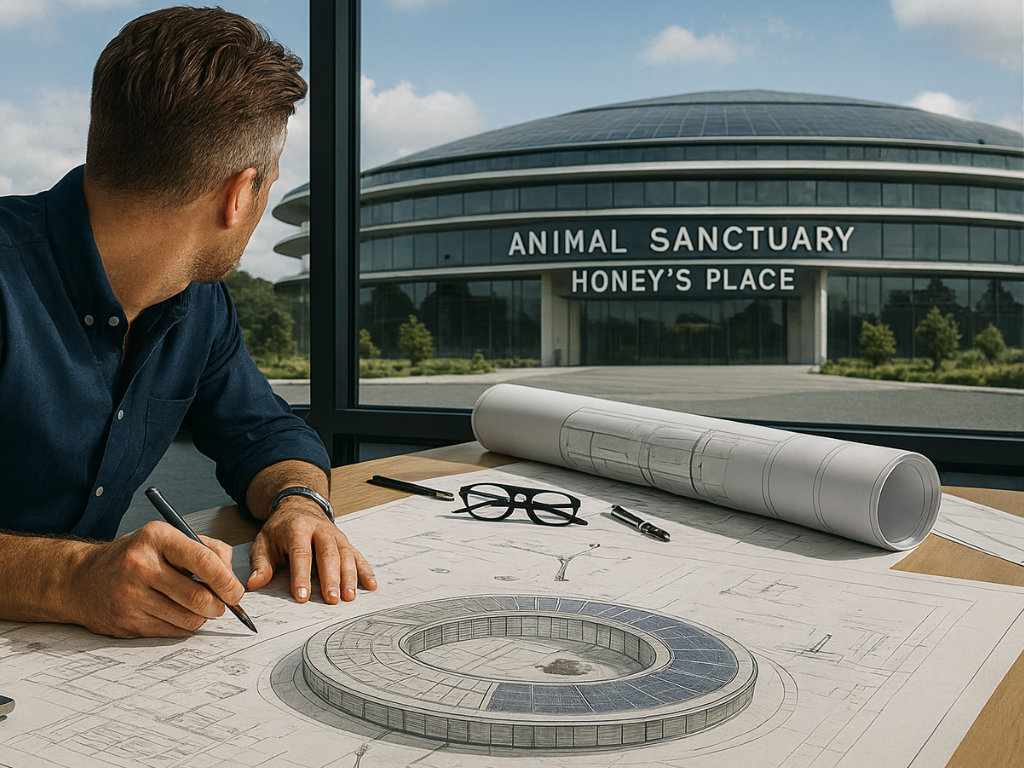
Domestic animals
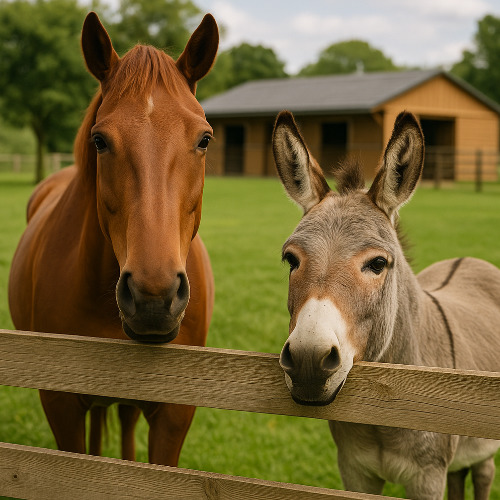
Domestic animals often need rehabilitation, behavioural support, and pathways into safe fostering or adoption, with a focus on emotional recovery and long-term stability.
Farm animals
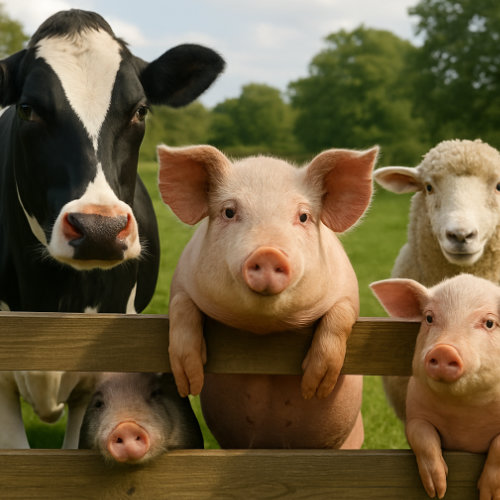
Farm animals are provided with safety, space, and dignity, without returning them to systems that caused harm.
Wildlife
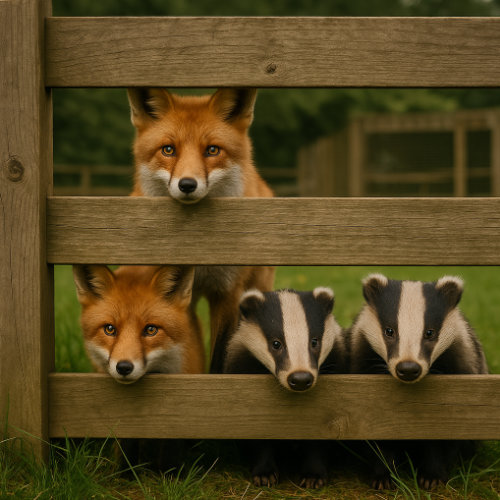
Wildlife requires minimal human interaction wherever possible, with stabilisation, recovery, and rewilding as the primary goal.
Extended species
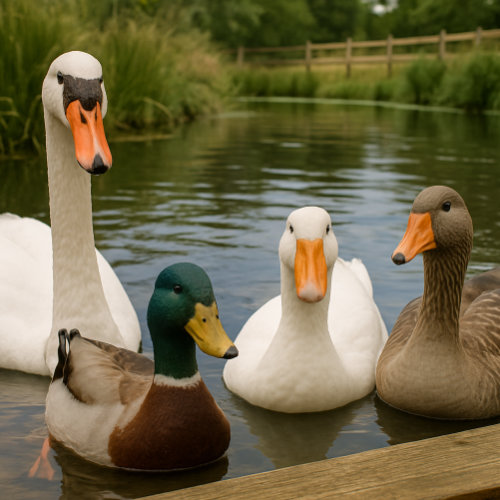
Insects and reptiles are included as part of a broader ecological responsibility, recognising their role within the wider living system.
The HEADTURNED Foundation Promise
No animal given refuge here will ever be left without safety again.
Every animal that enters the Sanctuary is met with protection, stability, and care for as long as that care is needed.
Where rehabilitation, fostering, adoption, release, or rewilding are possible, those pathways are pursued with responsibility and welfare-first judgement. Where they are not, sanctuary means permanence without deadline, without pressure, and without compromise.
And if an animal supported by the Foundation ever becomes vulnerable again, that place of safety remains open. This is a standing commitment to continuity of care, long-term responsibility, and a life treated with dignity rather than disposability.
A permanent commitment
Safety is not conditional here.
No time limit. No abandonment. No expiry.
Care pathways
Care is structured around clear routes, not improvised response.
Work is organised across defined pathways so that each animal can move through care with safety, consistency, and decisions grounded in long-term wellbeing rather than short-term capacity.
Rescue and stabilisation
Immediate protection, intake, assessment, and early-stage care for animals arriving in unsafe, distressed, or urgent circumstances.
Rehabilitation
Recovery pathways designed around physical healing, behavioural support, trust-building, and species-appropriate wellbeing.
Rewilding and release
For wildlife, the aim remains minimal human dependency and the safest possible return to natural living conditions wherever recovery allows.
Lifelong sanctuary
Where release, fostering, or adoption are not appropriate, long-term sanctuary provides safety, dignity, and stable care without time limit.
Powered by innovation
Care becomes stronger when insight, diagnostics, and systems support are built into it.
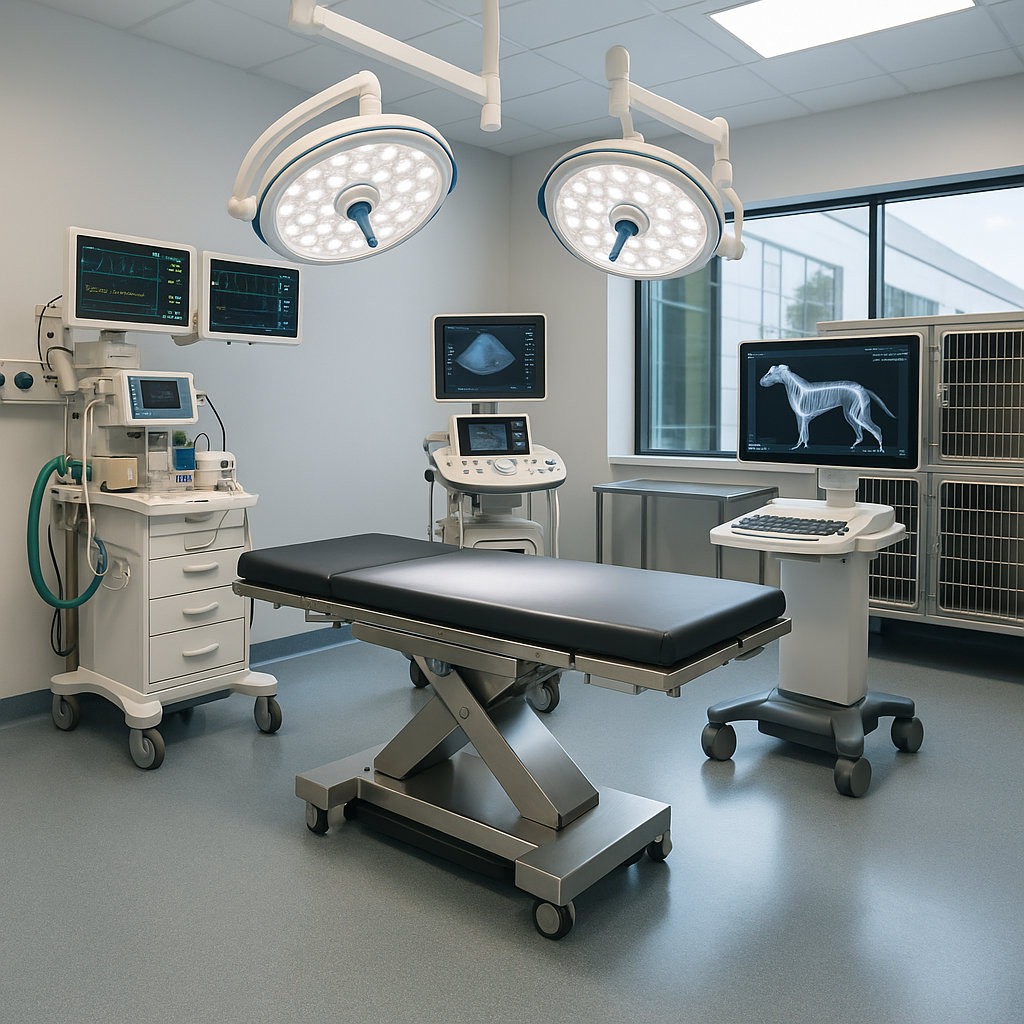
Support from the Innovation Hub enables access to analytics, diagnostics, and advanced welfare insights that improve both decision-making and care outcomes.
This includes medical technologies, treatment environments, and longer-term monitoring that help care remain informed, measurable, and capable of improving over time.
The aim is not technology for its own sake, but practical support that strengthens responsible sanctuary work in real conditions.
Standards, outreach, and wider responsibility
Care should be well structured internally and generous in how it reaches outward.
Standards and environment
A sanctuary should support healing, safety, and dignity.
Clear standards guide veterinary care, nutrition, hygiene, emotional wellbeing, safe handling, and the design of species-appropriate living environments across all animal types.
This includes structured routines, calm settings, clean habitats, appropriate feeding systems, and welfare-first decision-making at every stage of care.
The aim is not simple containment. It is to create conditions in which animals can recover, stabilise, and live with trust, comfort, and dignity over time.
Welfare
Calm, safe, species-appropriate care environments.
Routine
Structure, hygiene, feeding, and consistent handling.
Dignity
Recovery and long-term wellbeing, not containment.
Wider role
Outreach, care, and assistance beyond one site.
The wider role includes outreach programmes and collaboration with rescues, sanctuaries, charities, and welfare organisations both locally and globally.
That creates opportunities to support more vulnerable animals, share practical knowledge, strengthen pathways for intake, rehabilitation, fostering, adoption, and release, and help ease the pressure faced by overcrowded rescue environments.
It also creates stronger connections with local communities, helping animals at risk closer to home while building wider cooperation across regions where support, capacity, and responsible intervention are urgently needed.
Outreach programmes
Building practical support links with rescue organisations, sanctuaries, and charities.
Local communities
Helping respond to vulnerability, abandonment, overcrowding, and urgent welfare needs closer to home.
Wider collaboration
Creating more routes for care, knowledge-sharing, and protection across regions.
Long-term focus
The aim is credible, enduring sanctuary work.
Animal welfare is being built into the Foundation as a serious and lasting component of its overall system.
The focus is on creating environments, structures, and practices that can sustain protection with integrity over time.