Conservation & Rewilding
Give nature the conditions to recover.
HEADTURNED is developing work across land, freshwater and native species. We expect to begin with projects in the UK, build capability through practical experience, and grow into supporting projects in other regions alongside local expertise.
Care for places over time
Secure the space recovery needs.
Acquiring or stewarding suitable land can give restoration the continuity it needs. We want to care for places over the long term, with decisions shaped by the habitats, water and species already there.
Understand the whole system
Learn what life in each place depends on.
We need to examine biodiversity alongside soil and air quality, water chemistry, climate, food sources and exposure to toxins, pollutants and plastics. That evidence helps reveal what is limiting recovery and what a place may be able to support.
Our responsibility
Stop taking. Start putting back.
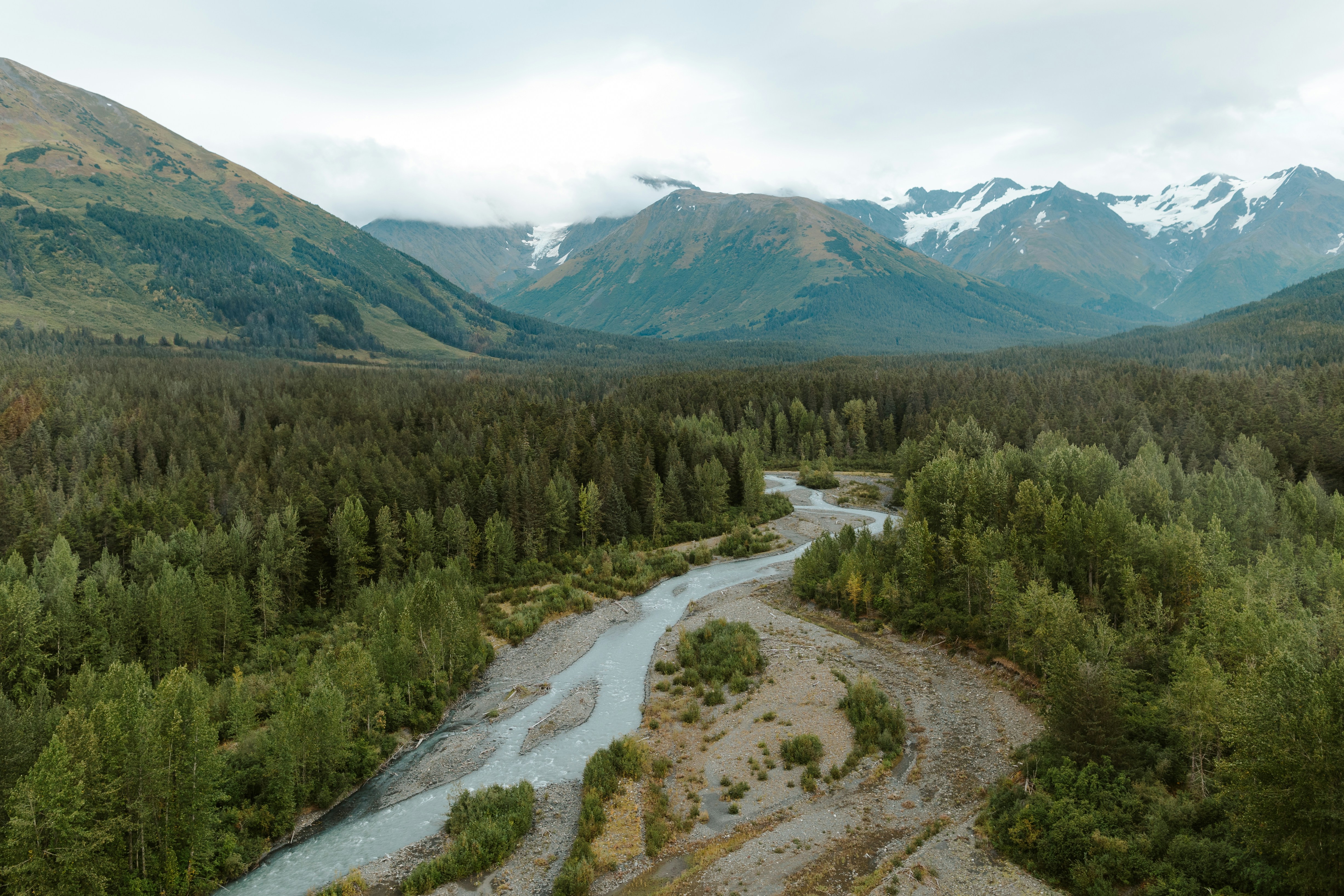
Nature sustained these living relationships long before we began disrupting them. Human activity has damaged habitats, reduced food sources and displaced native life. We have a responsibility to stop that loss and restore the conditions nature needs to recover.
Restore living relationships
Rebuild habitats that can sustain life.
Woodlands, native tree and plant species, hedgerows, freshwater habitats and natural food sources all have a part to play. Restoration should connect those elements so wildlife has the shelter and food it needs through changing seasons.
Return with care
Let the habitat lead the decision.
Reintroduction of native species must follow an understanding of the conditions they need to thrive. We want to assess those conditions before considering the return of birds, mammals, insects or invertebrates, and keep learning from what happens afterwards.
Specialist capability where it is needed
Bring the right people to the right project.
As HEADTURNED grows, we intend to support defined projects globally through specialist teams working alongside local people and organisations. The skills and methods can travel; each project must still respond to its own ecology and conditions.
A lasting commitment
Recovery needs attention beyond the first intervention.
We want to follow how biodiversity changes, adapt the work as evidence develops and share useful lessons globally. Long term stewardship gives recovery the time and care it needs.