HEADTURNED Articles
Bees and Their Crucial Role in Nature
Bees are vital to global ecosystems, yet their populations are in crisis. Learn their importance, understand the causes of their decline, and explore how collective action can help them thrive again.
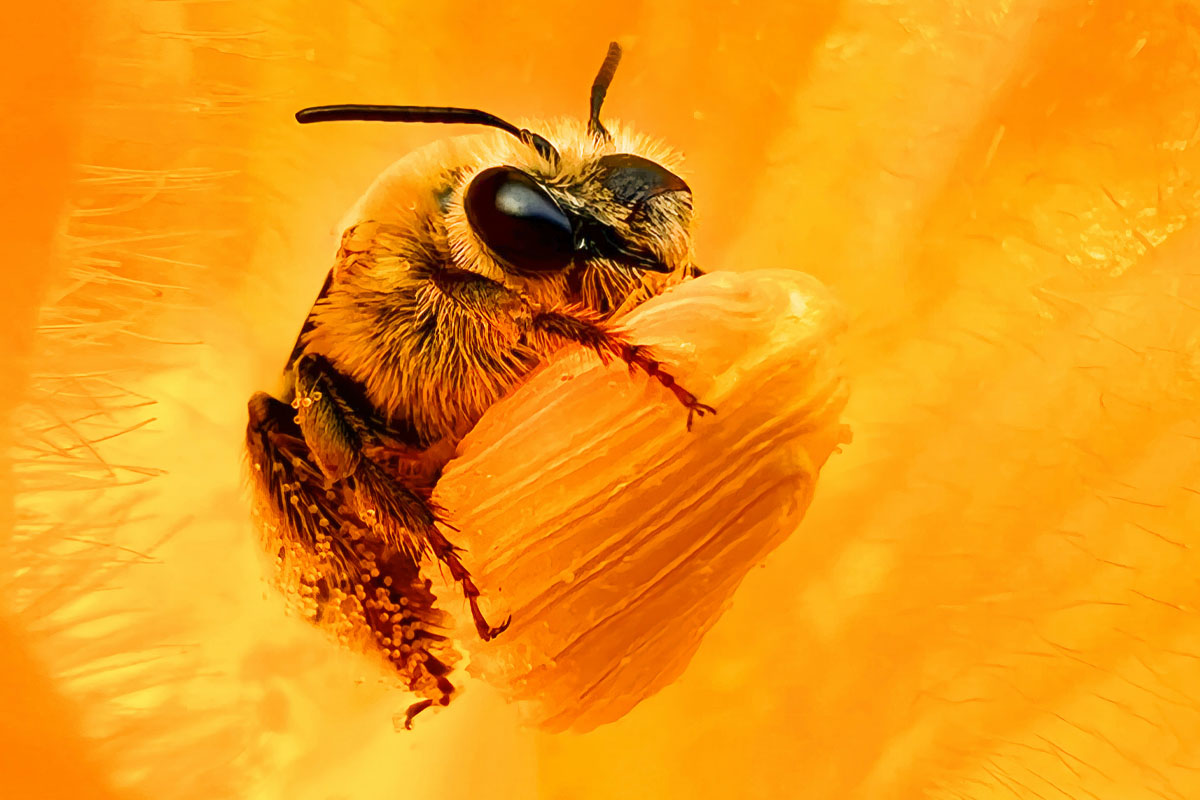
Bees: Guardians of Biodiversity
Introduction
Bees are extraordinary creatures that play an indispensable role in sustaining ecosystems and human agriculture. From tundra to rainforest, these industrious insects thrive in a variety of habitats and climates—but their populations are under threat due to human activity. This post explores their ecological importance, challenges, and how we can protect them.
Bees: Guardians of Biodiversity
A Diverse World: Types and Habitats of Bees
Bees belong to the superfamily Apoidea and include over 20,000 known species worldwide. They can be broadly classified into solitary and social bees, adapted to almost every environment imaginable.
- Honeybees: Thrive globally in managed hives and wild habitats. Their large colonies make them key agricultural pollinators.
- Bumblebees: Fuzzy pollinators suited to cooler climates, vital for crops like tomatoes and blueberries via “buzz pollination.”
- Carpenter Bees: Drill into wood for nests and play a major role in pollinating flowering plants.
- Leafcutter Bees: Use leaves to line nests in stems or cavities—excellent pollinators for legumes.
- Stingless Bees: Indigenous to tropical regions, valued for both pollination and medicinal honey.
Bees: Guardians of Biodiversity
A Grim Reality: Declining Bee Populations
Over the past five decades, bee populations have plummeted, threatening ecosystems and agriculture. The primary causes include pesticides, habitat loss, climate change, and parasites.
- Pesticides: Chemicals like neonicotinoids impair bee navigation and immunity.
- Habitat Loss: Urbanisation and monocropping fragment ecosystems bees depend on.
- Climate Change: Erratic weather disrupts flowering cycles and reduces food availability.
- Disease and Parasites: Pathogens such as Nosema and mites weaken colonies worldwide.
“Nearly 40% of insect pollinators, including bees, are at risk of extinction. The urgency to act cannot be overstated.”

Bees: Guardians of Biodiversity
Revitalising Bee Populations
Efforts to restore bee populations are essential for safeguarding biodiversity and food systems. Both grassroots and policy-level actions are vital.
- Gardens & Wildflowers: Planting native species and pollinator-friendly gardens sustains bees year-round.
- Pesticide-Free Practices: Avoiding harmful chemicals protects colonies from neurotoxic damage.
- Regenerative Agriculture: Farming focused on soil health and biodiversity benefits pollinators and humans alike.
Policy & Advocacy
- Enforce restrictions on bee-harming pesticides.
- Fund pollinator research through initiatives like the HEADTURNED Innovation Hub.
- Integrate bee conservation into city planning and farming policy.
Bees: Guardians of Biodiversity
Beekeeping: Helping or Hurting?
Responsible beekeeping can support bee survival and local biodiversity—but poor practices can stress colonies. Sustainable hive management, leaving enough honey stores, and minimising interference ensure the bees’ welfare comes first.
Managed hives contribute to pollination networks, enhance biodiversity, and inspire communities to plant nectar-rich flora, creating a mosaic of safe havens for pollinators.
Bees: Guardians of Biodiversity
Call to Action
The fate of bees lies in our hands. Every small action counts—planting wildflowers, supporting ethical beekeepers, and advocating for pesticide-free policies. Together, we can create a future where pollinators thrive, ensuring a balanced and sustainable planet for all.
Share this page
Help us spread the word about HEADTURNED and the work we're building.