
HEADTURNED Articles
Celebrating Corvids: Nature's Intelligent Guardians
Corvids including crows, ravens, magpies, and jays are some of the most intelligent birds in nature. This article celebrates their adaptability, social bonds, and critical roles in ecosystems while calling for greater respect and protection.
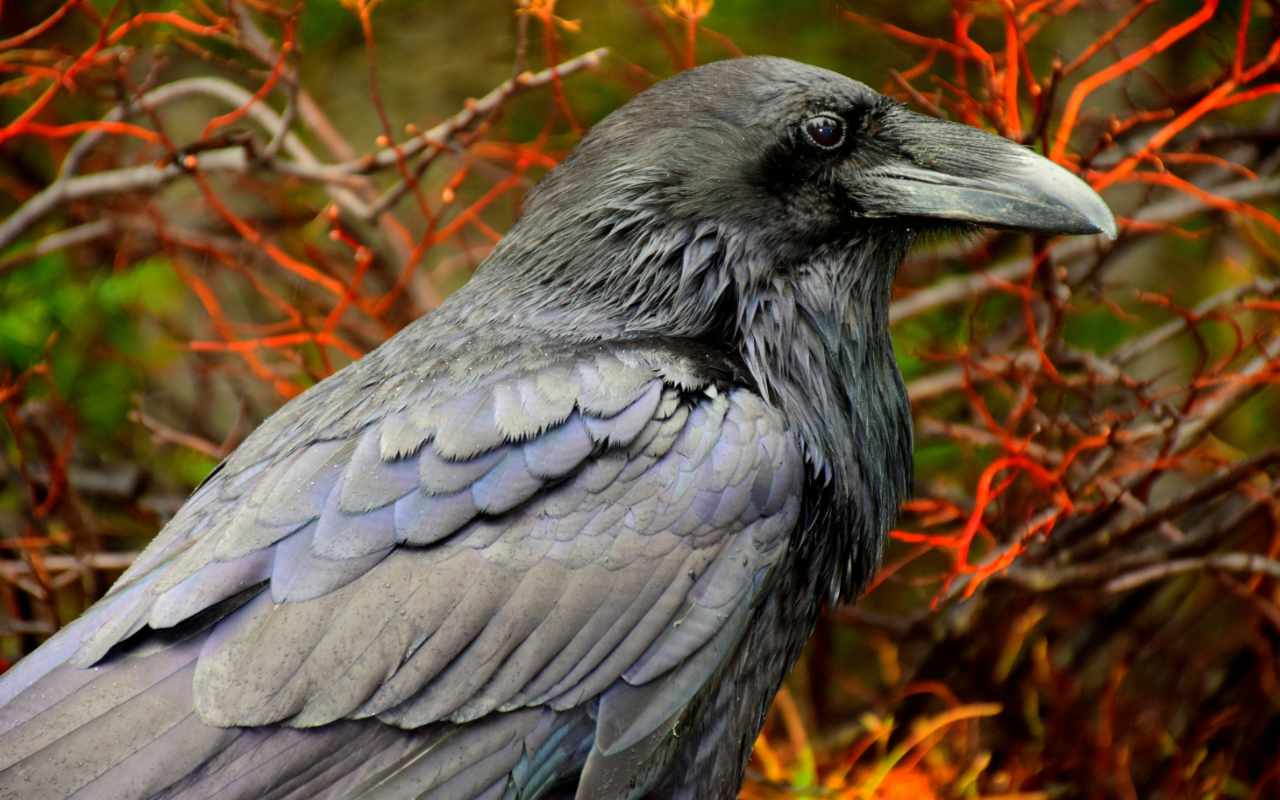
Understanding and Supporting the Corvid Family
Introduction
The Corvidae family — including crows, ravens, magpies, and jays — represents some of the most intelligent and socially complex birds on Earth. Found worldwide, they are problem-solvers, tool users, and vital contributors to ecosystems. Yet, they face persecution, habitat loss, and misconceptions that threaten their survival.
Understanding the Species
Birds of the Corvid Family
- Crows: Found globally, using tools and recognising human faces.
- Ravens: Majestic flyers with deep croaks and playful curiosity.
- Magpies: Mirror-recognising, social, and key in pest control.
- Jays: Colourful seed dispersers that regenerate forests.
- Rooks: Sociable, colony-nesting birds with bare grey beaks.
- Jackdaws: Playful, intelligent, and strikingly silvery-eyed.
- Choughs: Glossy black fliers with red beaks, thriving on coasts.
Threats and Decline
Corvid Decline Over the Last 50 Years
Habitat loss, pesticides, and urbanisation have drastically reduced Corvid populations. Traditional farming practices that once supported biodiversity have given way to monocultures and toxic environments. Misconceptions labeling them as pests have led to widespread culling, while climate change alters nesting and foraging cycles.
Awareness and Advocacy
Educating the Public
Technology and community involvement can help shift perception. Interactive apps, workshops, and citizen science projects connect people to Corvid ecology, encouraging empathy and participation in habitat restoration. Schools and media campaigns can inspire future generations to see Corvids as allies in biodiversity, not enemies.
Correcting Misconceptions
Corvids: Misunderstood and Misrepresented
Seen unfairly as nuisances, Corvids are in fact ecosystem custodians — cleaning carrion, dispersing seeds, and controlling pests. Gardens with native plants and nest boxes, plus urban green space protection, can offer sanctuary and help restore their numbers.
Action Steps
Safeguarding Corvids for the Future
Corvids are nature’s guardians. Protecting them means protecting ecosystems. Together, we can:
- Create Corvid-friendly habitats with native plants and water sources.
- Participate in public science — local bird counts and restoration projects.
- Spread awareness and challenge harmful myths.
- Advocate for stronger legal protection and sustainable land use.
Share this page
Help us spread the word about HEADTURNED and the work we're building.