
End Agricultural Animal Cruelty
The Dark Reality of Fox Hunting
For centuries, fox hunting has been portrayed as a proud rural tradition. But behind the spectacle lies unimaginable cruelty — both to the foxes pursued and the hounds bred for the chase. This article exposes the ongoing exploitation and calls for a permanent, uncompromising end to the practice.
End Agricultural Animal Cruelty
Fox Hunting: Tradition, or Cruelty in Disguise?
For generations, fox hunting has been sold as pageantry: red coats, polished boots, horns, and hounds sweeping across the countryside. But behind the spectacle is a reality that is anything but noble, an exhausted wild animal being torn apart, and dogs treated as tools, not lives.
Laws have been introduced, loopholes have been exploited, and respect for foxes, hounds, and the wider countryside has too often been sacrificed to keep an outdated pastime alive. If we are serious about compassion, biodiversity, and public trust, fox hunting cannot be rebranded or gently reformed. It has to end.
Why Foxes Matter
More Than a Quarry: Foxes as Part of a Living System
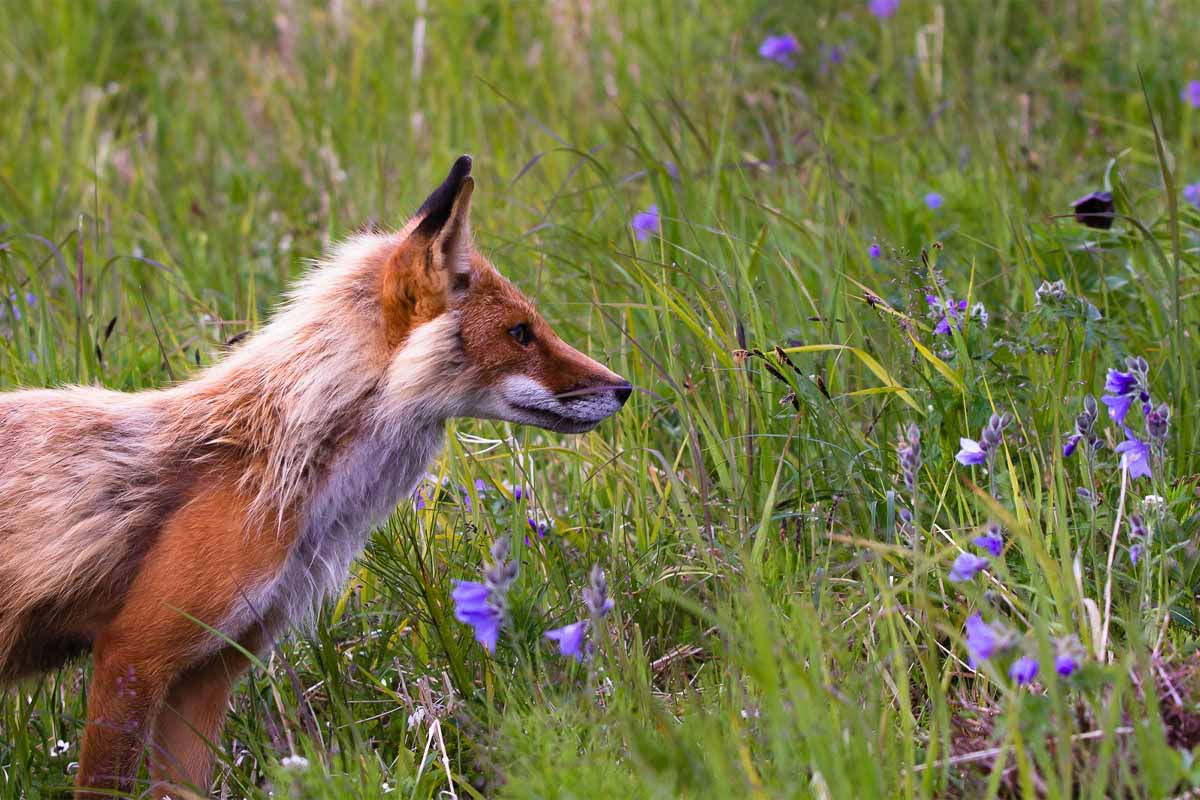
Red foxes are intelligent, highly adaptable animals that have lived alongside humans for centuries. As opportunistic omnivores, they help control rodent populations, clear carrion, and play a subtle but important role in keeping ecosystems in balance. They are not an invading force; they are a native part of the British landscape.
Much of the hostility towards foxes is rooted in myth, that they routinely devastate livestock, or that they must be hunted to protect ground-nesting birds. In reality, many losses can be prevented through simple, modern husbandry and secure housing for vulnerable animals. Where predation does occur, it is usually a symptom of human-created vulnerabilities, not a justification for organised cruelty.
Seeing foxes as disposable "pests" ignores their intrinsic value and the quiet work they do in our fields, hedgerows, and woodlands. A compassionate countryside recognises them as sentient beings with their own place in the story, not as moving targets.
The Hidden Victims
Hounds of the Hunt: Bred, Used, and Silenced
For all the attention placed on foxes, another animal suffers quietly in the shadows: the hunting hound. These dogs — typically English Foxhounds, Harriers, and other scent-hound lines — are bred specifically for stamina, aggression towards fox scent, and obedience within tightly controlled pack hierarchies.
Most hounds are bred directly by the hunts themselves — often by hunt staff, kennelm_en, or landowners associated with the hunt. These are not family dogs. They are livestock, produced for function, not companionship. Litters are bred continuously to maintain large working packs, meaning surplus puppies are inevitable.
Life in the Kennels
Conditions vary, but many hunt kennels operate with minimal transparency. Dogs may be kept in concrete runs, overcrowded pens, or basic sheds, with little enrichment or freedom. Their behaviour is shaped by harsh pack dynamics, strict discipline, and training designed to override their natural instincts. Separation anxiety, injury, untreated illness, and stress-related behaviours are common.
These hounds spend years in confined environments with limited human affection. They do not experience the socialisation, warmth, or stability expected in ethical dog care. Their loyalty is demanded, but rarely rewarded.
Training for the Hunt
From a young age, hounds are conditioned to chase fox scent relentlessly. They are sometimes encouraged using scent drags, captive foxes, or engineered scenarios. Their purpose is simple: pursue a terrified fox until exhaustion, then kill.
The Hound’s “Shelf Life”
A typical working life for a hunting hound is short — around five or six years. When a hound becomes slower, injured, too gentle, or simply no longer useful, its life is considered over. These dogs almost never retire to family homes; they are rarely rehomed, and many are destroyed quietly, out of sight.
A Brutal End
The method of killing is often simple: a shotgun in the yard or kennels. Sometimes this happens in full view of the other dogs. Unwanted puppies — those who fail early hunting assessments — may be killed at only a few weeks old. This is not folklore. It is documented in undercover investigations and acknowledged privately by former hunt staff.
The public rarely sees this part of the tradition. Yet the hounds suffer every bit as deeply as the foxes they are set upon. Their lives begin and end within a system built on exploitation.
How the HEADTURNED Foundation Will Intervene
Through the Sanctuary and Innovation Hub, the HEADTURNED Foundation is preparing programmes to:
- Rescue and retire ex-hunting hounds who can be rehabilitated and rehomed.
- Support veterinary care for injured or abandoned working dogs.
- Work with behaviourists to help hounds become adoptable companion animals.
- Expose inhumane kennel conditions and support stronger legislation around working dog welfare.
- Educate the public about what happens to hounds behind the scenes.
The suffering of foxes is visible. The suffering of hounds is hidden. Changing culture means speaking for both.
Law, Culture, and Power
When a Ban Exists on Paper, but Not on the Ground
Legislation restricting hunting with dogs was a crucial step, but a law only has meaning if it is enforced and respected. Where loopholes are exploited, whether through trail hunting pretexts, flushing exemptions, or poorly monitored private land, the message to the public is clear: some people are above the rules.
Rural communities deserve better than that. So do the many people who love and steward the countryside without cruelty. Effective enforcement means properly resourced investigations, clear guidance for prosecutors, and the political will to pursue cases where evidence of illegal hunting emerges. It also means recognising the contribution of hunt monitors and local residents who document incidents, often at personal risk.
A society that tolerates illegal or "grey area" hunting sends a wider message about whose suffering matters, and whose can be ignored. Closing loopholes and enforcing the spirit of the law is not an attack on rural life; it is a defence of fairness, decency, and genuine respect for animals.
Patterns of Harm
Fox Hunting and the Culture of "Control"
Fox hunting does not stand alone. It sits within a broader landscape where wildlife is often framed as something to be controlled: snares set for foxes that catch badgers and pets; poisons used against birds of prey; traps and shooting justified as routine "vermin" control. When cruelty towards one species is normalised, it becomes easier to justify harm elsewhere.
Removing predators and scavengers can destabilise entire food webs. Rodent numbers may increase; carrion remains unmanaged; smaller mammals and birds can be affected in ways that are not immediately obvious. Over time, this erosion of biodiversity makes landscapes less resilient to climate change, disease, and pollution.
A countryside where wildlife survives only on sufferance is a countryside losing its soul. Moving away from fox hunting is part of a wider shift towards seeing wild animals as neighbours we must learn to live alongside, not obstacles to be removed.
Sanctuary for Foxes and Hounds
How the HEADTURNED Foundation Will Help Animals Caught in the Middle
Fox hunting harms more than one species. Foxes are chased and killed for spectacle; hounds are bred, used and often destroyed when they are no longer "useful". The HEADTURNED Foundation's Sanctuary and Innovation Hub are being designed to give both foxes and dogs a different future.
- Sanctuary space for ex-working animals: partnering with rescues and rehoming charities to give retired or unwanted hounds safe, enriched lives instead of quiet destruction.
- Wildlife rescue and rehabilitation: co-funding veterinary care for injured foxes and other wildlife caught in snares, hit by vehicles while fleeing hunts, or harmed by illegal persecution.
- Coexistence programmes for farmers and communities: using Innovation Hub research to develop and share non-lethal tools, secure housing, guardian animals, simple changes in practice, that reduce conflict without killing.
- Education and field training: working with vets, students and rural communities to demonstrate humane responses to fox presence, and to replace fear with understanding.
Instead of treating foxes and hounds as expendable, the Foundation will help show what it looks like to treat them as lives with value , supported by science, care and a different vision of what the countryside can be.
From Blood Sport to Stewardship
What a Compassionate Countryside Looks Like
Ending fox hunting is not about turning against rural tradition; it is about deciding which traditions reflect who we want to be now. There are countless ways to celebrate the countryside, riding, walking, drag hunting without quarry, wildlife watching, that do not rely on fear and suffering.
- Strengthen and enforce the law: close loopholes that allow fox hunting in all but name, and give enforcement agencies the resources and training they need to act.
- Support non-lethal livestock protection: encourage and fund practical measures like secure housing, guardian animals, appropriate fencing, and good husbandry so farmers are not left to choose between vulnerability and violence.
- Invest in restoration: restore hedgerows, wetlands, and woodlands so healthy ecosystems can support both wildlife and sustainable farming.
These changes are not hypothetical. In many places, farmers and communities are already proving that coexistence works. They are simply asking that the law, and the culture around it, catch up.
End Agricultural Animal Cruelty
Fox Hunting Has Had Its Time. Now It Must End.
At its heart, this is not a debate about sport or image. It is a question of whether we accept deliberate cruelty towards wild animals and dogs as an acceptable form of entertainment. Once that question is asked plainly, the answer becomes clear.
The HEADTURNED Foundation believes that compassion, science, and respect for life should set the direction of policy, not nostalgia for blood sports. Ending fox hunting is a line in the sand: a decision that violence towards animals is not a cultural asset, but a chapter we are willing to close.
- Governments: fully close hunting loopholes, resource enforcement properly, and stand with the majority who support a meaningful ban.
- Communities: support ethical landowners and farmers, challenge illegal or cruel practices, and back organisations working for wildlife protection.
- Individuals: refuse to normalise fox hunting, speak up when you see cruelty, and choose to stand on the side of compassion.
A kinder countryside is possible. We build it every time we choose empathy over spectacle, coexistence over persecution, and life over entertainment. Fox hunting belongs in the past. Our responsibility is to make sure it stays there.
Share this page
Help us spread the word about HEADTURNED and the work we're building.