
HEADTURNED Articles
Ban Game Bird Shooting
Game bird shooting inflicts widespread harm on wildlife and ecosystems, all under the banner of sport. It’s time to end practices that normalise cruelty and distort conservation for profit.
End Agricultural Animal Cruelty
Game Bird Shooting: Entertainment Built on Suffering
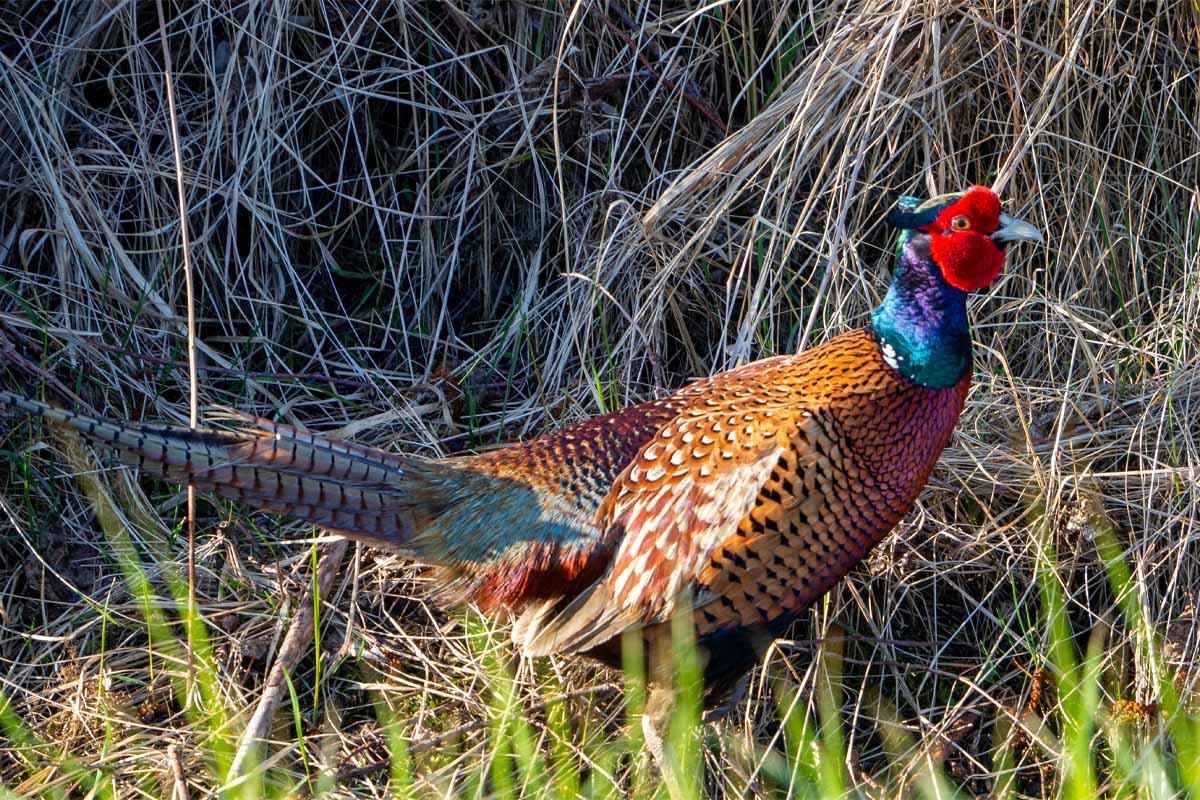
The HEADTURNED Foundation is committed to changing how society sees animals, land, and the idea of "sport". Few practices expose that tension more starkly than game bird shooting: millions of pheasants and partridges bred, released, and killed for entertainment, with ecosystems reshaped around their fate.
Behind the language of tradition and rural economy lies a system built on suffering, waste, and environmental damage. If we are serious about restoring nature and rebuilding trust in the countryside, we must look honestly at what game bird shooting really is — and decide that we can do better.
What the Public Rarely Sees
From Battery Pens to a Sky Filled with Targets
A Glimpse Behind the "Sport"
Game bird shooting begins long before anyone arrives in tweed with a gun. Birds are bred in large numbers, often in cramped sheds and cages, with stressed, confined parent stock producing young that will never know a natural life. Even at this stage, disease, injury and overcrowding are commonplace.
Once released, these birds are not being "harvested" from wild populations. They are driven out of cover by beaters, flushed into the air and shot in volleys. Many are hit but not killed, left wounded to die slowly out of sight. For every bird retrieved and paraded as a successful day's shoot, others are never found, and many end up in pits or waste channels rather than on a plate.
The Collateral Damage
To protect this artificially inflated "game stock", predators such as foxes, stoats and birds of prey are routinely trapped, snared or poisoned. Hedgehogs, badgers, pets and protected species can become unintended victims. Lead ammunition used in many shoots leaves fragments in soil and water, exposing wildlife and, in some cases, people to contamination.
The end result is a landscape shaped not for balance or genuine stewardship, but around the calendar of the shooting season and the economics of a single industry.
More Than "Just Birds"
The Hidden Victims of a Violent System
Loopholes, Culture, and Lax Enforcement
While game birds are at the centre of shoot days, they are not the only animals who pay the price. Across estates and farmland, other species are routinely targeted in the name of "control" or protecting commercial interests.
- Badgers: Killed under disease control narratives or as perceived competitors for food, despite serious questions about effectiveness and ethics.
- Foxes: Shot, snared or hunted as "pests", even though humane, non-lethal livestock protection is possible.
- Deer: Culled in ways that can cause prolonged suffering when poorly regulated or conducted without proper training.
- Wild Birds: Corvids, raptors and other species targeted or poisoned when they are seen as competition rather than as part of healthy ecosystems.
Unsanctioned Cruelty
Illegal snares, poisons and unlicensed traps often slip through the cracks because wildlife crime units are under-resourced and enforcement is patchy. In some areas, a culture of acceptance or silence allows cruelty to become normalised. When suffering happens out of sight, it is easier for it to be ignored.
Biodiversity Under Pressure
When "Sport" Undermines a Living Landscape
A Manufactured Imbalance
The mass release of game birds alters the countryside. Large numbers of non-native or artificially boosted populations can damage vegetation, compete with native species for food and shelter, and attract increased predator control. Layered on top of existing pressures — habitat loss, pollution, and climate change — this pushes already stressed ecosystems closer to tipping points.
Breaking the Pattern
When we treat wildlife as a backdrop for gunfire, we strip the land of its complexity. Predators, scavengers, and small mammals all play roles in nutrient cycling, seed dispersal, and disease regulation. Removing them or disrupting their populations for the sake of a shooting calendar undermines the very resilience we need in the face of climate instability.
Sanctuary, Not Shooting
How the HEADTURNED Foundation Will Help Animals on the Ground
Saying "ban it" is not enough. The HEADTURNED Foundation is building a Sanctuary landscape designed to work shoulder-to- shoulder with veterinary teams, wildlife hospitals and rescue organisations so there is somewhere for animals to go when they are hurt, displaced or no longer wanted.
- Veterinary partnership support: co-funding emergency treatment, surgery and rehabilitation for injured wildlife and ex-working animals caught up in shooting and culling activities.
- Ethical breeding and recovery programmes: supporting carefully designed breeding and reintroduction efforts for species pushed to local decline, always prioritising welfare, genetics and habitats over numbers on a spreadsheet.
- Long-term sanctuary and soft-release space: providing quiet areas, ponds, woodland and meadow corridors where animals can heal, be carefully re-released, or live out their lives safely when returning to the wild is no longer possible.
- Training and field support: working with vets, students and wildlife professionals to share best practice on humane handling, trauma care and non-lethal conflict solutions.
The goal is simple: to turn money, land and expertise into real outcomes for individual animals and the wider systems they belong to. Where violence once dictated their fate, care and science will guide their recovery.
From Blood Sport to Stewardship
A Humane, Honest Alternative to Game Bird Shooting
Ending the Practices
- Ban game bird shooting: legislate an outright ban on driven game bird shooting and close loopholes that allow it to continue under different labels.
- Strengthen wildlife protection laws: phase out snares, poisons and other inhumane killing methods, replacing them with evidence-based, non-lethal approaches.
- Increase law enforcement capacity: properly fund, train and empower wildlife crime units so the law means something in practice, not just on paper.
Restoring Balance
- Habitat restoration: repair woodlands, wetlands and hedgerows damaged by intensive shoots, and rebuild diverse habitats that support many species, not just one.
- Regenerative, wildlife-friendly farming: support landowners to move towards systems where biodiversity, soil health and animal welfare are part of the business model, not an afterthought.
- Rural economies without cruelty: celebrate and fund forms of rural tourism — walking, birdwatching, nature photography, ethical hospitality — that bring income without killing.
Rebuilding Public Trust
To bring people with us, we need transparency:
- Regular, honest reporting on wildlife recovery.
- Public access to data on enforcement, prosecutions and policy progress.
- Genuine community involvement in habitat projects, citizen science and sanctuary volunteering.
End Agricultural Animal Cruelty
Game Bird Shooting Belongs in the Past
A countryside built on compassion, science and respect does not need a "sport" that relies on mass-bred birds and quietly accepted cruelty. The choice in front of us is clear: keep shaping land and law around a pastime, or reshape them around life.
The HEADTURNED Foundation is choosing life. Through the Sanctuary, the Innovation Hub and partnerships with veterinary and conservation organisations, we are building practical alternatives that protect animals and restore ecosystems. But lasting change needs policy, enforcement and public will.
Whether you live in the countryside or the city, your voice matters. Support organisations calling for a ban, challenge cruelty when you see it, and back landowners who choose restoration over gunfire. Together, we can ensure that the only flocks filling our skies are alive, wild and free — not lined up as targets.
Share this page
Help us spread the word about HEADTURNED and the work we're building.