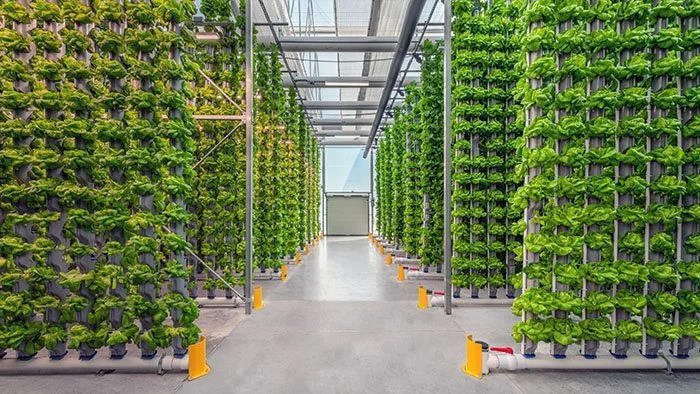
Large-scale vertical farming environment
01
Vertical farming
Layered controlled growing environments designed to increase production density while carefully managing light, water, nutrients and climate.
Explore HEADTURNED
HEADTURNED Foundation / Sustainable Food Systems
Evidence-led food production designed around quality, resilience, responsible innovation and direct community access.
Vertical farming is one method within a much broader ambition to build cleaner, more transparent and more adaptable food systems.
Why it exists
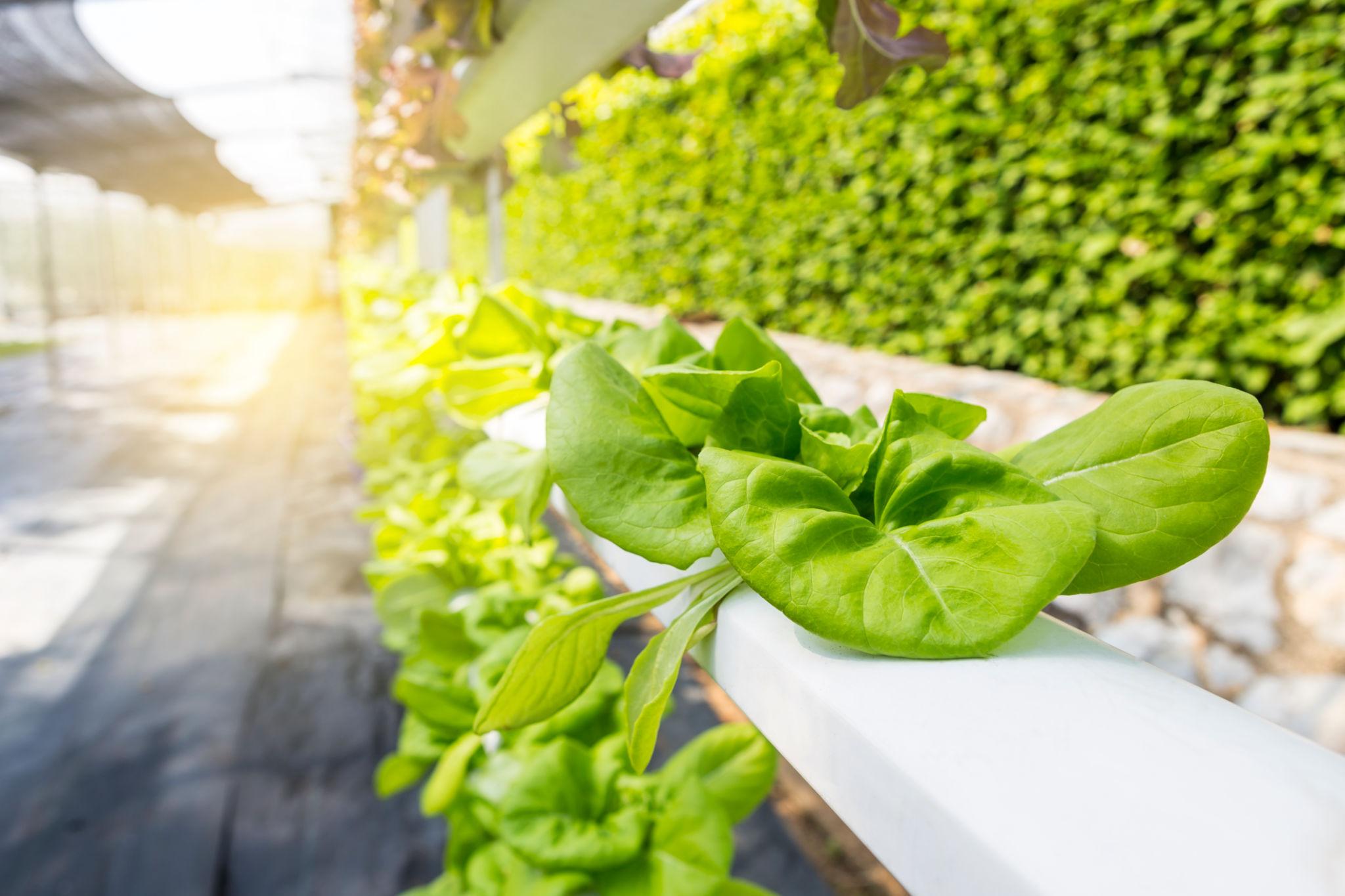
Sustainable Food Systems exists to explore how science, agriculture and engineering can improve food quality, transparency, resilience and environmental responsibility.
The programme seeks to reduce reliance on unnecessary chemical inputs where practical, while allowing evidence and responsible scientific research to guide every decision.
Health and public trust
Food production should be understandable rather than hidden behind complex supply chains, vague sourcing and distant intermediaries.
Scientific evidence should explain the differences between growing systems, crop treatments, nutritional outcomes and environmental performance without sensationalism or unsupported health claims.
Growing systems
No single technology can responsibly produce every crop. Each growing model should be selected according to plant biology, resource use, food quality and long-term practicality.
01
Layered controlled growing environments designed to increase production density while carefully managing light, water, nutrients and climate.
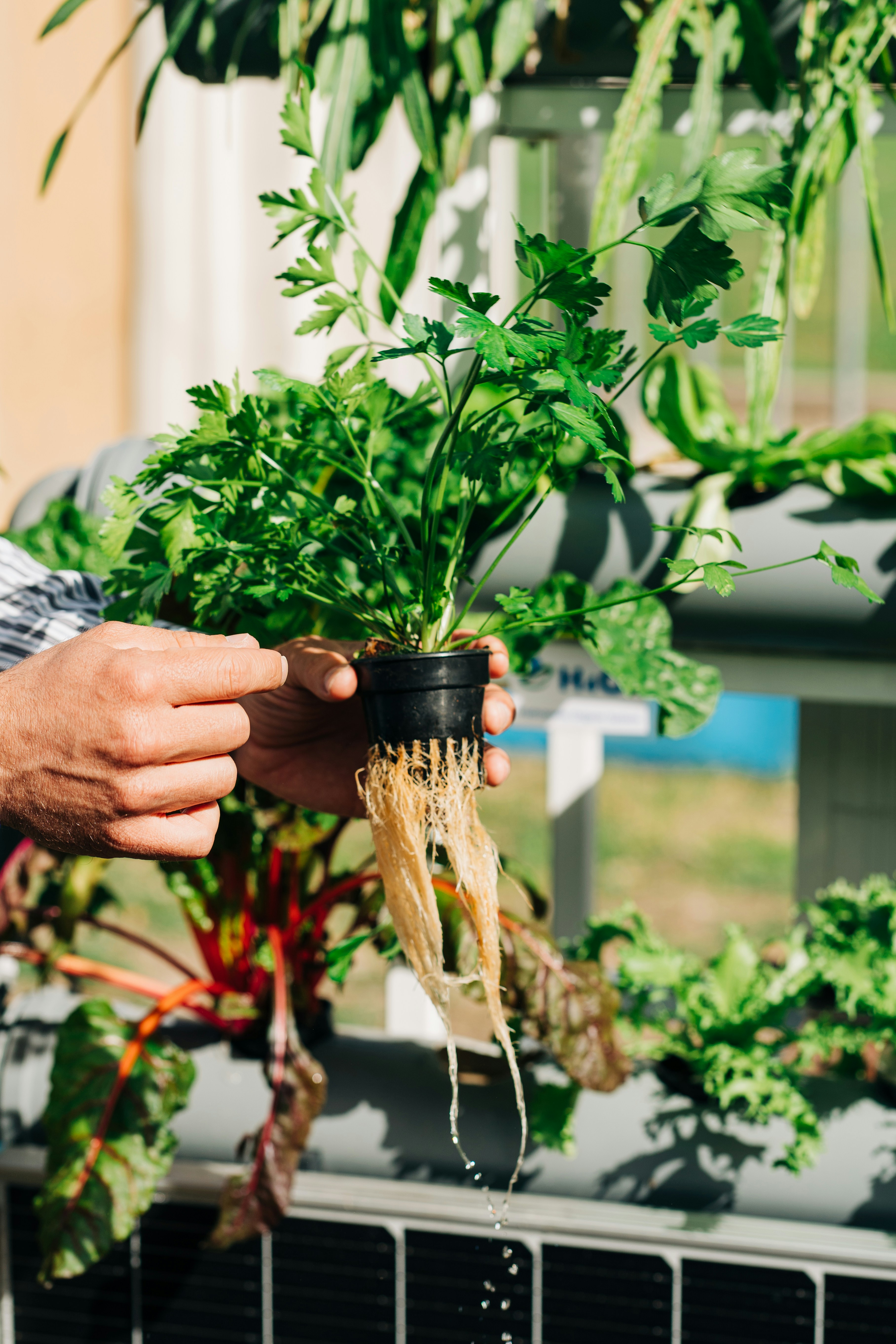
02
Soil-free growing systems that deliver water and nutrients directly to crops through carefully monitored circulation.
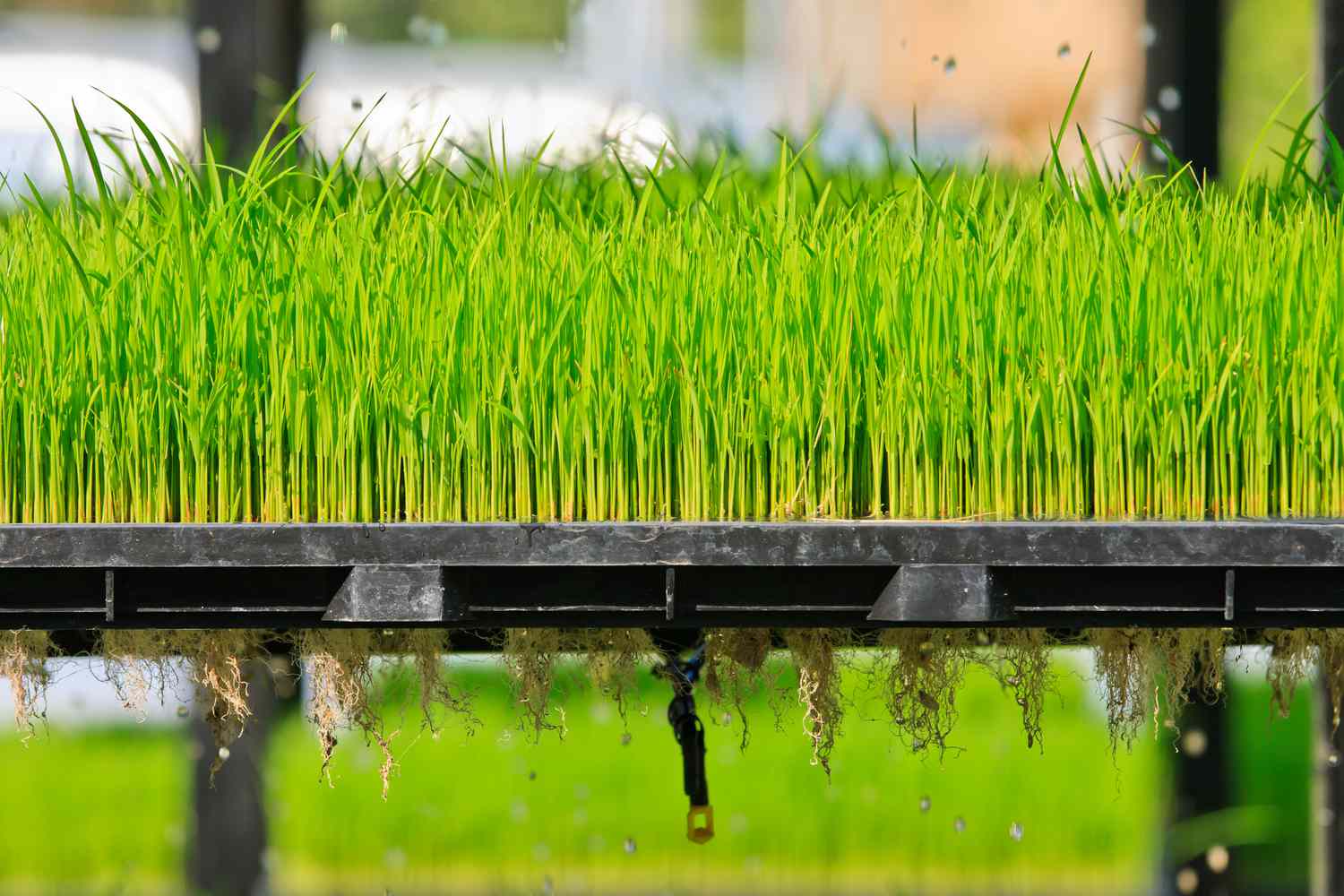
03
Root systems suspended within controlled environments and supplied through nutrient-rich mist to support efficient growth.
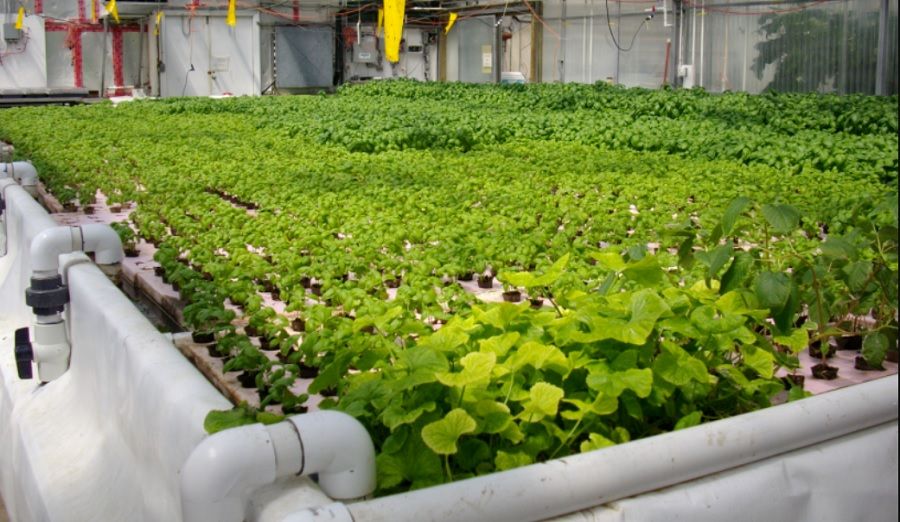
04
Integrated systems that explore responsible relationships between aquatic environments, nutrients and plant production.
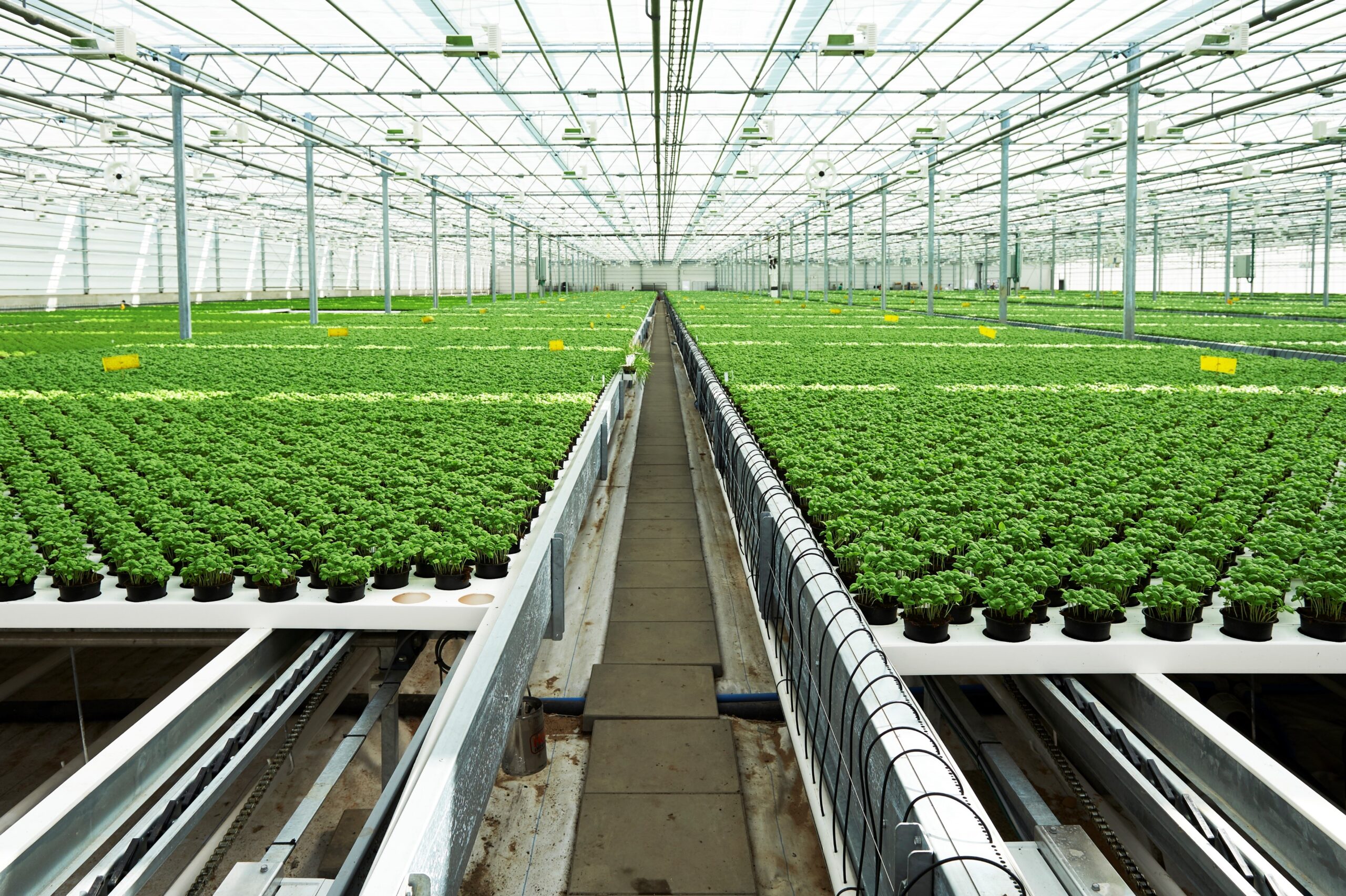
05
Protected growing environments for crops that require natural light, larger structures or alternative production models.
Crop research
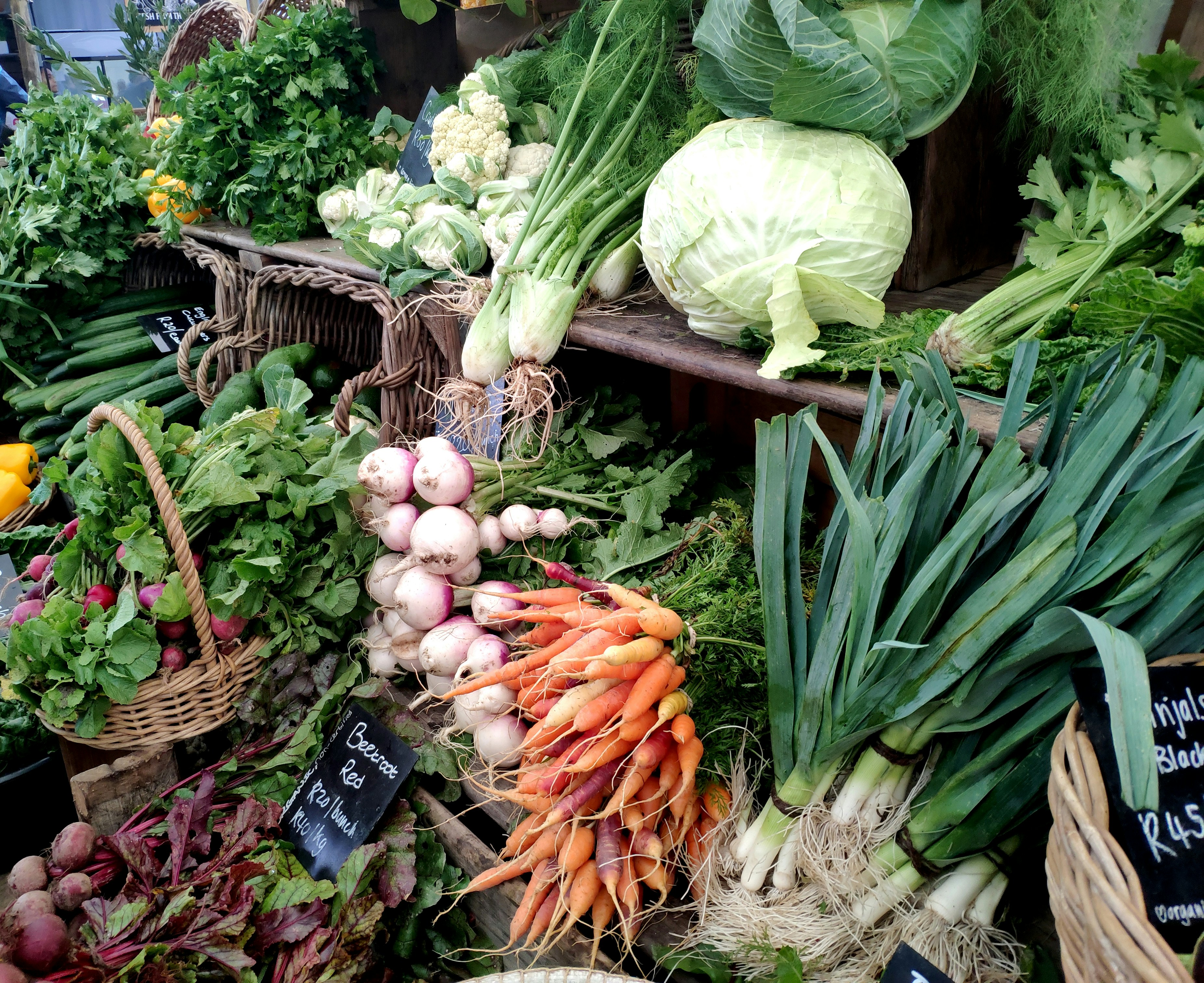
Salads, vegetables, herbs, soft fruits and orchard fruits differ fundamentally in scale, structure, climate and growing cycle.
01
Fast-growing produce suited to tightly controlled environments and direct local distribution.
02
Different systems selected according to crop biology, growth cycles and nutritional value.
03
Fresh culinary and specialist herbs grown close to the communities they serve.
04
Controlled production designed around crops such as strawberries and other compact fruiting plants.
05
Apples, plums, citrus and other tree-grown foods requiring dedicated orchard, greenhouse or hybrid environments.
Powered by Innovation
Controlled growing environments require careful integration of climate, lighting, water, energy, automation and evidence.
01
Heating, ventilation, humidity and air-quality systems designed around crop-specific requirements.
02
Efficient lighting strategies that support plant development while managing energy use responsibly.
03
Measured irrigation, filtration, reuse and monitoring designed to reduce unnecessary consumption.
04
Renewable generation, storage and intelligent demand management explored wherever practical.
05
Sensors, robotics and software that improve consistency without removing human oversight.
06
Long-term data used to understand yield, quality, efficiency and environmental performance.
Sustainable packaging
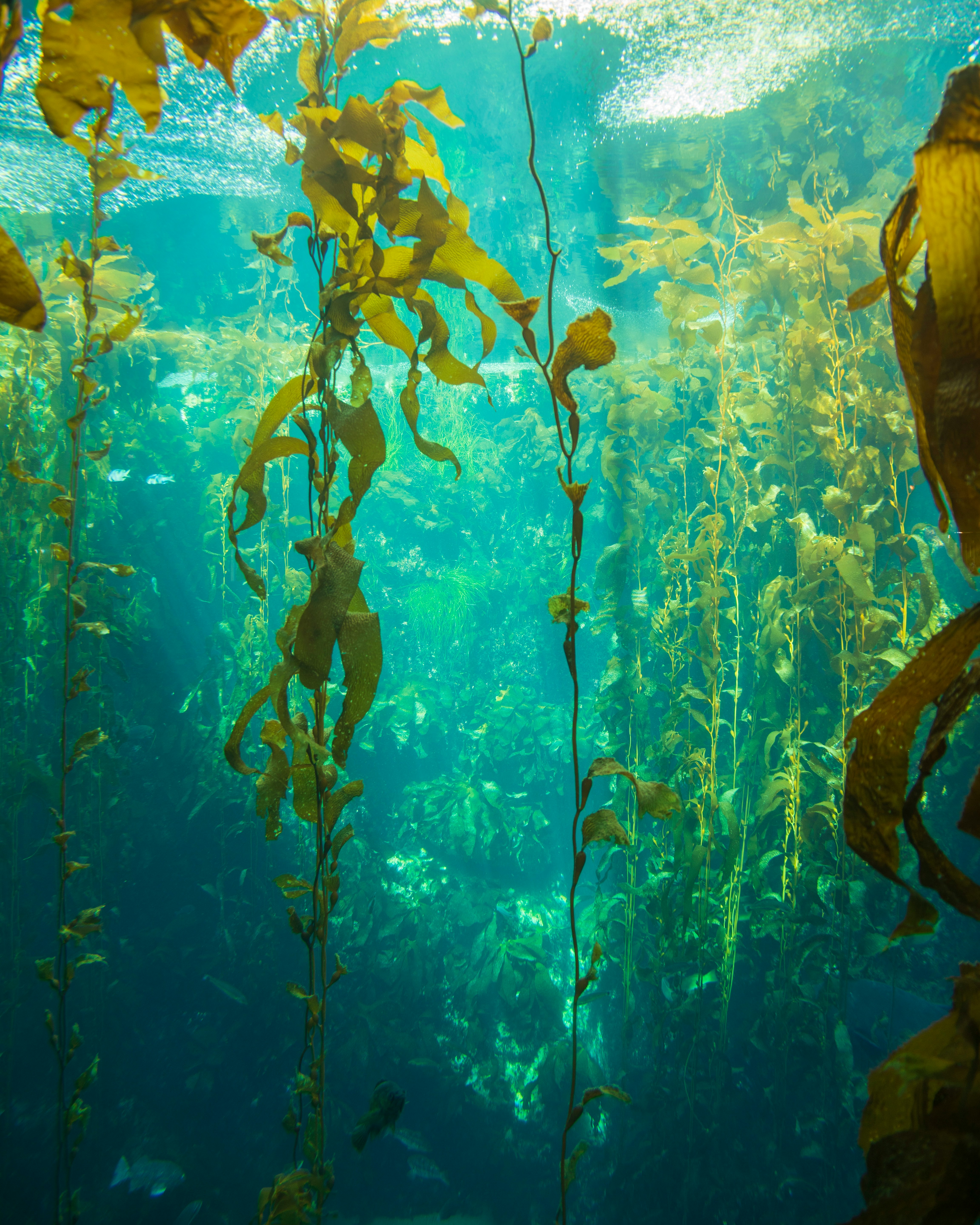
Packaging research may include compostable, biodegradable and renewable materials such as mycelium-based structures, seaweed-derived materials and future alternatives supported by evidence.
Material performance, food safety, production cost and genuine end-of-life impact should all be tested rather than assumed.
Farm to community
The programme should avoid unnecessary dependence on supermarket chains and long layers of intermediation.
Produce may move directly from HEADTURNED growing environments to its workforce, local communities and customers through same-day or next-day delivery and click-and-collect services.
Every product should provide clear provenance, allowing people to understand where it was grown, when it was harvested and how it reached them.
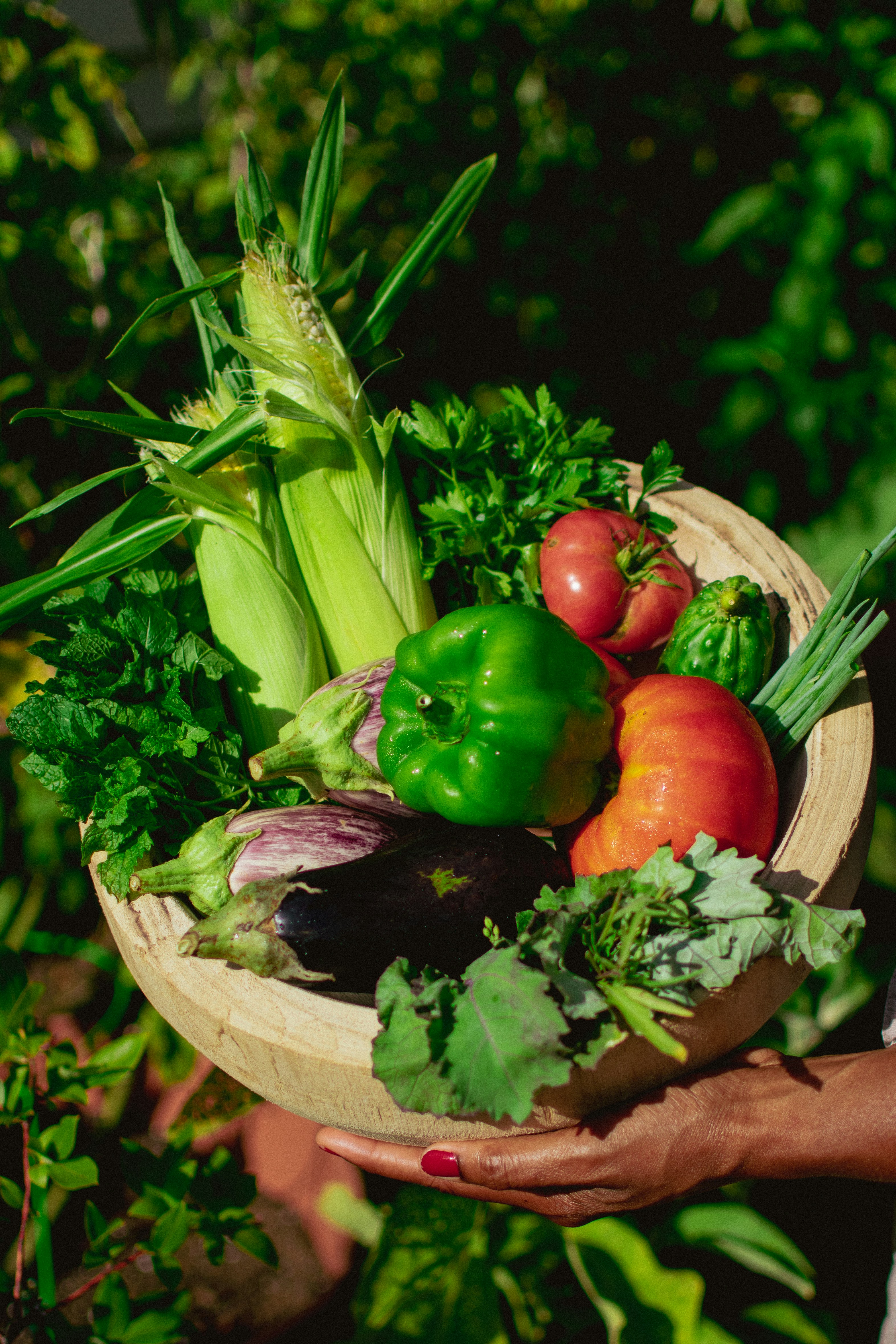
Supported by HEADTURNED
Global ambition
The initial programme should establish a functioning food-production model alongside the wider HEADTURNED environment.
Once proven, its systems may be adapted across the United Kingdom, Europe and international communities according to local climate, energy, water, crop and affordability requirements.
The long-term purpose is not simply to demonstrate technology. It is to improve reliable access to fresh, responsibly produced food.
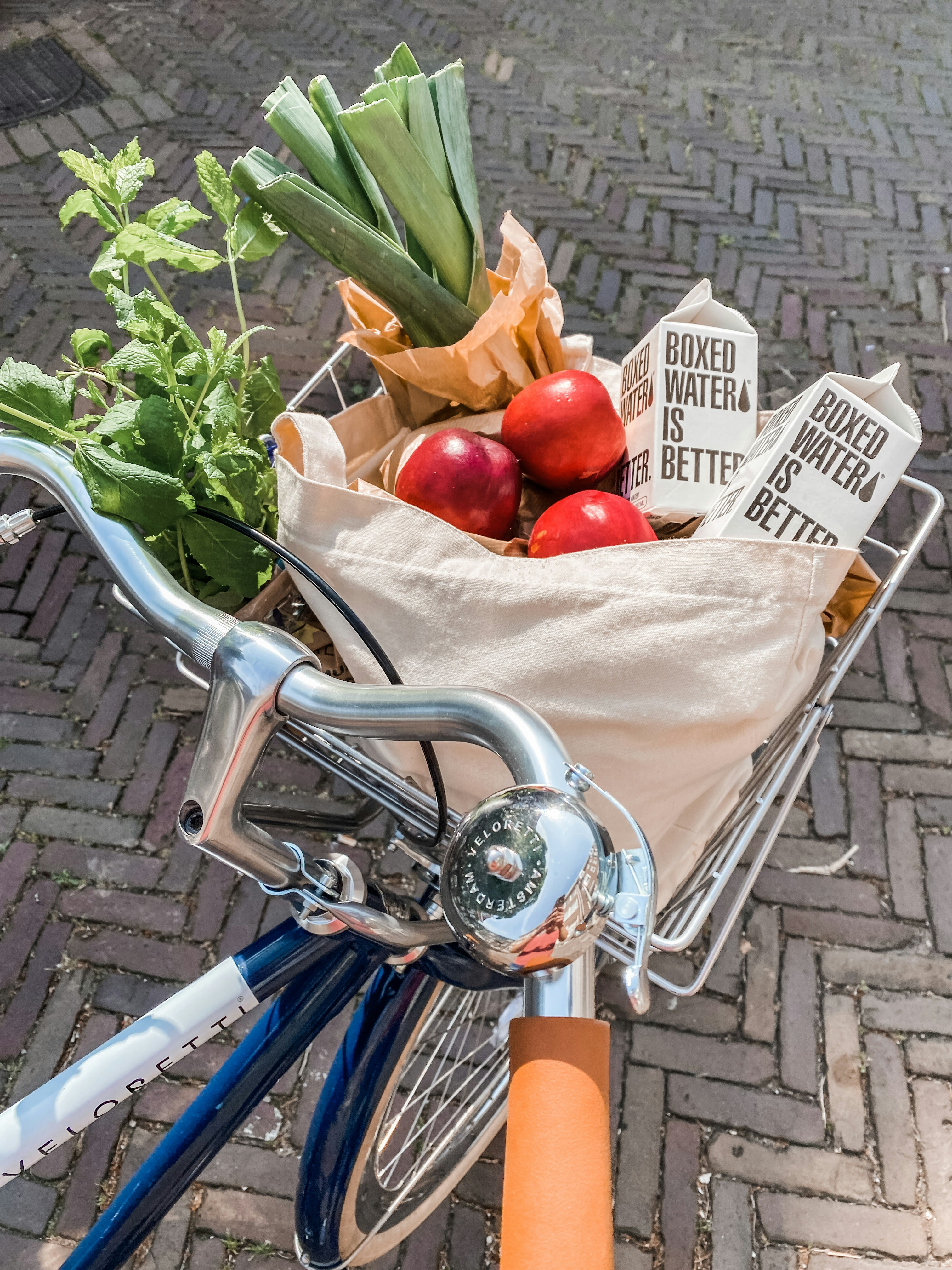
Current status
Sustainable Food Systems depends upon the commercial strength of HEADTURNED STUDIO and the wider ecosystem's revenue generating capabilities. No active farm, produce supply, ordering service or delivery operation should be implied until formally established.
Follow the work
HEADTURNED STUDIO provides dedicated free Channels where HEADTURNED Media can document growing trials, scientific evidence, engineering systems, harvests and the development of the farm to community model.