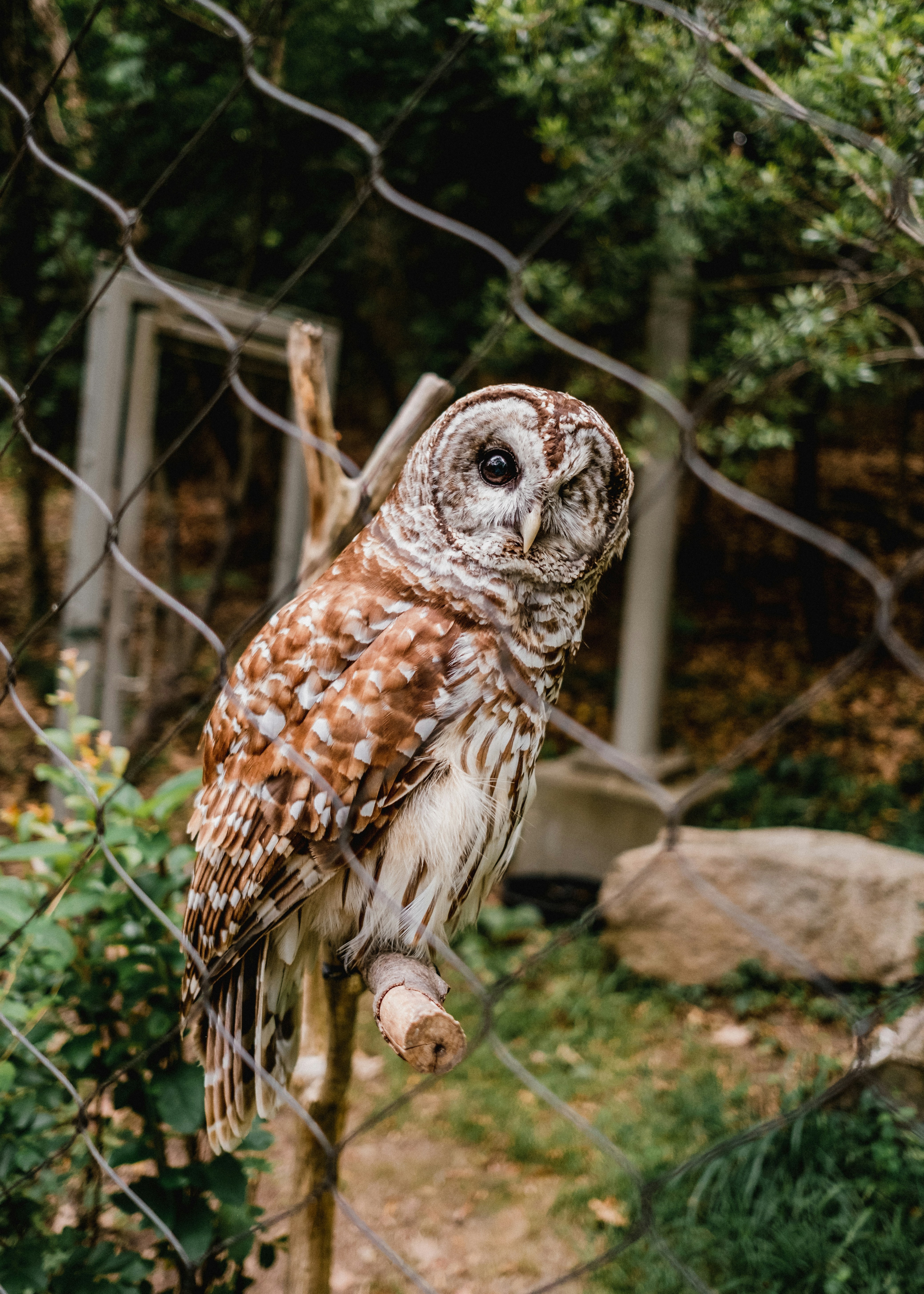
Wildlife rehabilitation and recovery
01
Wildlife
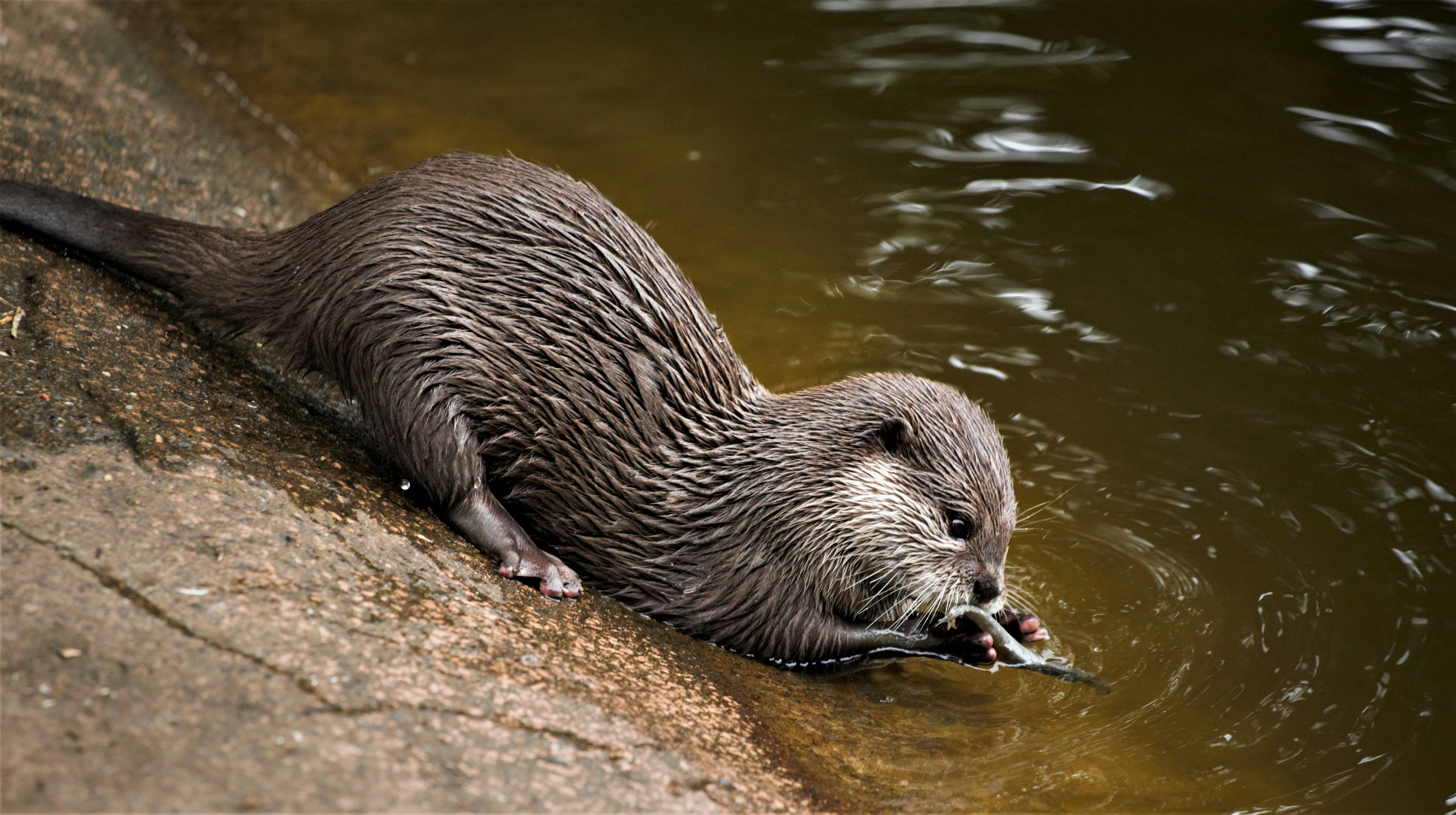
Specialist rescue, veterinary care and rehabilitation for injured, orphaned, displaced or declining native wildlife.
Explore HEADTURNED
HEADTURNED Foundation / Species Stewardship
A long-term programme spanning wildlife, domestic animals, farm animals, pollinators and overlooked species.
The sanctuary is one part of a wider commitment to welfare, rehabilitation, species recovery and lifelong stewardship.
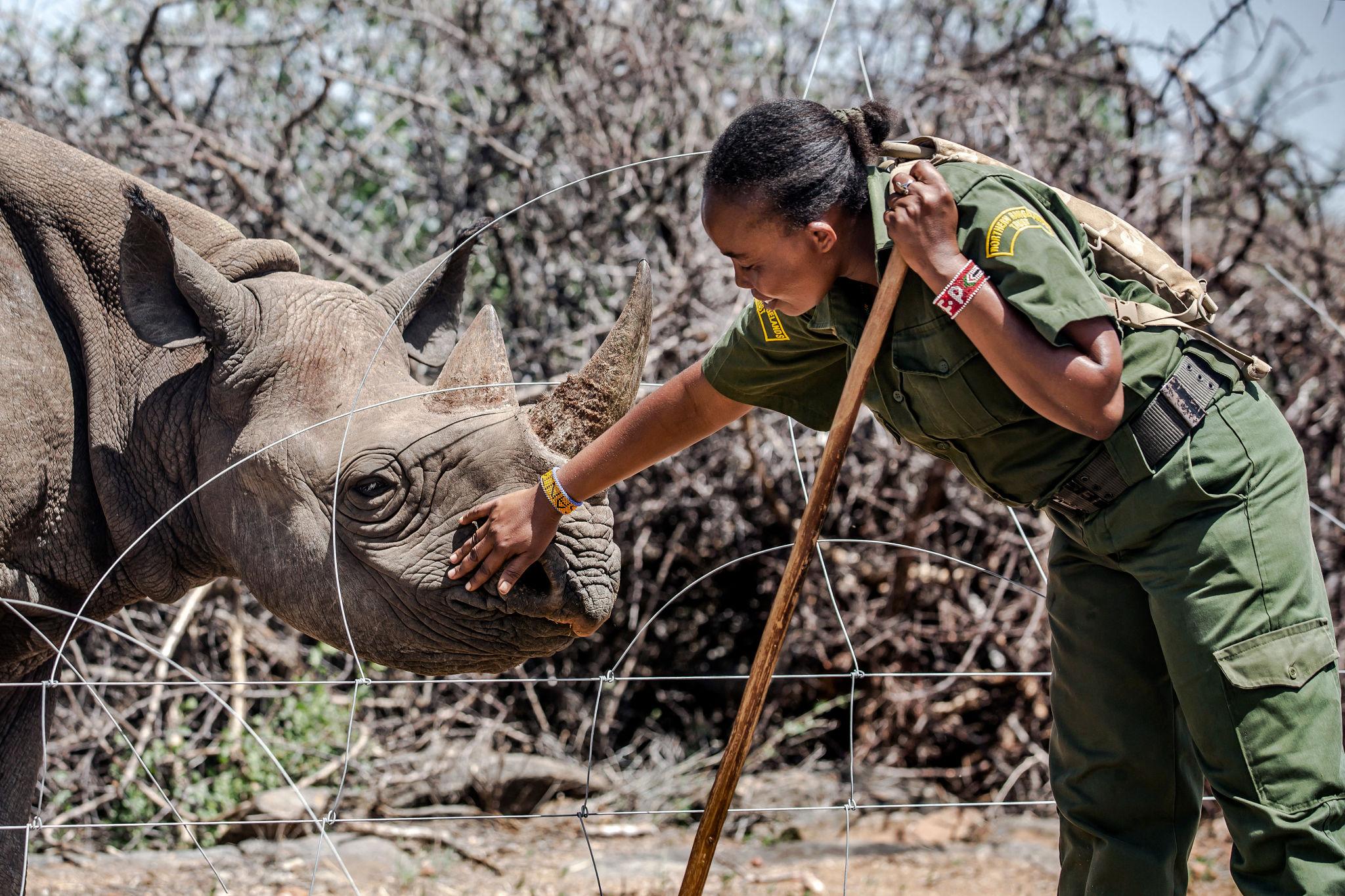
Why it exists
Species Stewardship exists to provide safety, specialist care and long-term responsibility for animals and species whose welfare or survival has been compromised.
Every decision should be made in the best interests of the animal, whether the outcome is recovery, release, carefully managed placement or lifelong care.
A place of safety
Care continues for as long as the animal requires it. Recovery should never be rushed to satisfy targets, capacity pressures or arbitrary deadlines.
Some animals may return to the wild. Some may move into carefully assessed long-term homes. Others may remain within lifelong sanctuary care. Welfare comes before operational convenience.
Stewardship areas
01
Specialist rescue, veterinary care and rehabilitation for injured, orphaned, displaced or declining native wildlife.
02
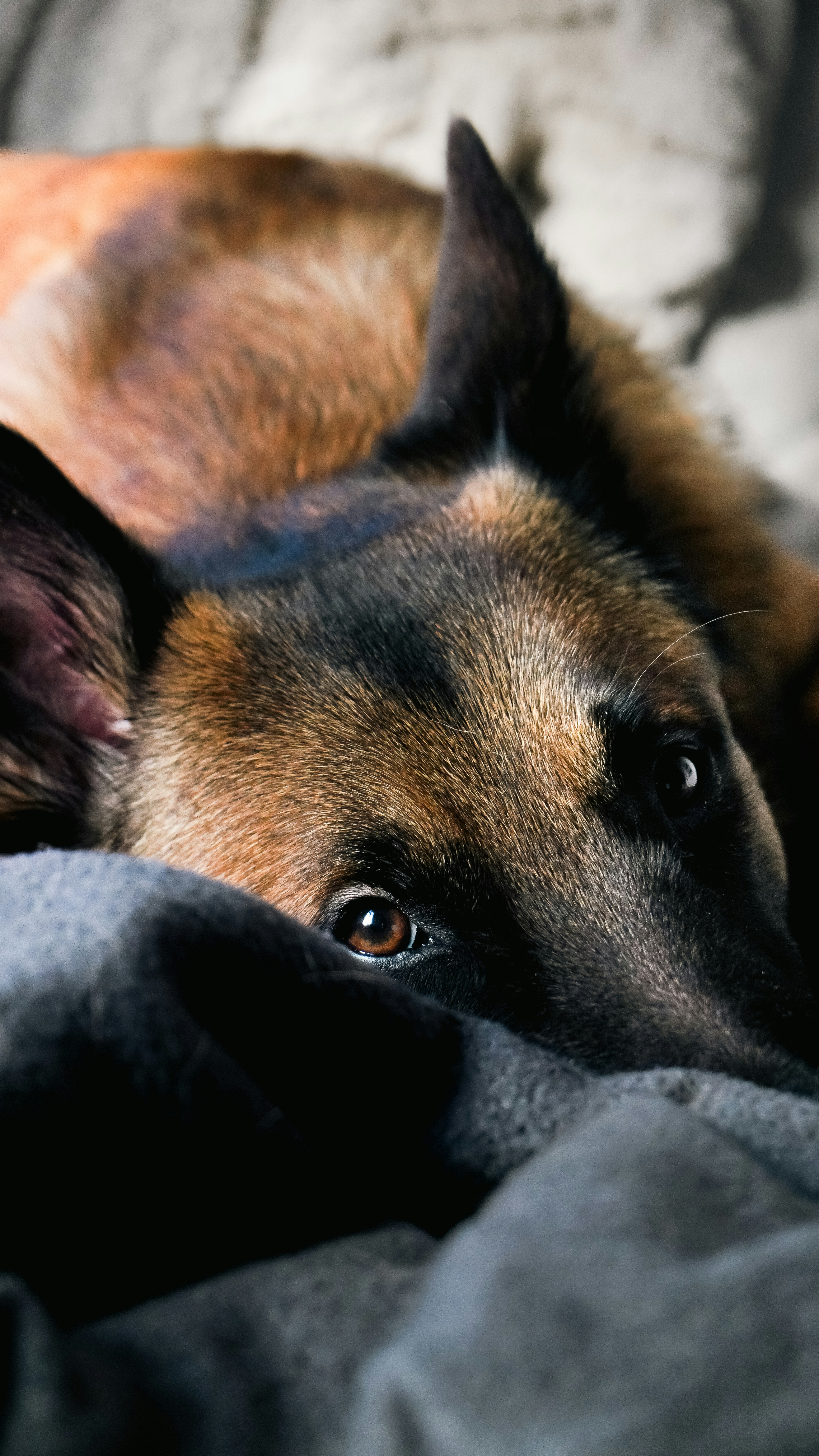
Safe environments for animals affected by abuse, neglect, abandonment or circumstances that have compromised their welfare.
03
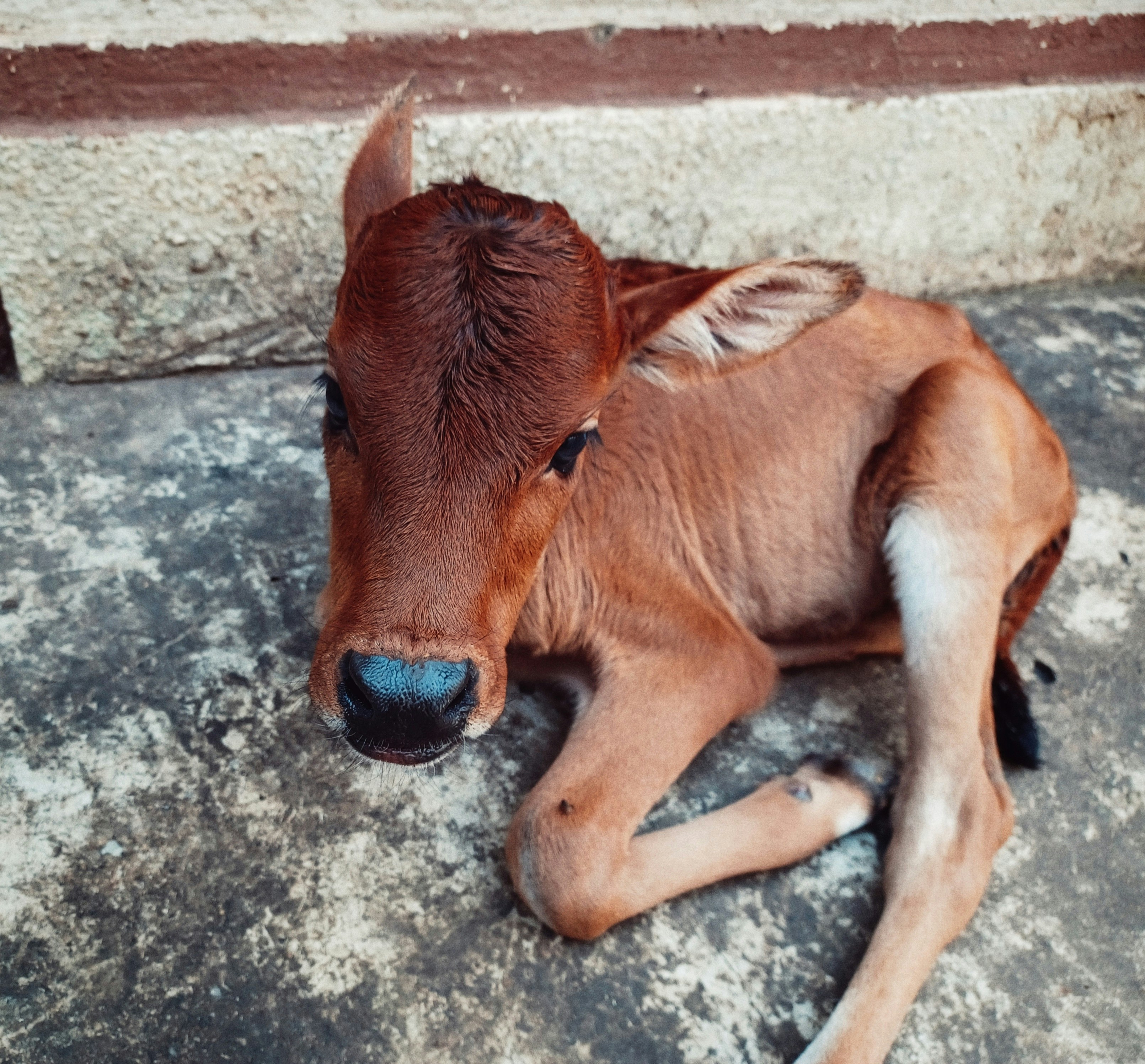
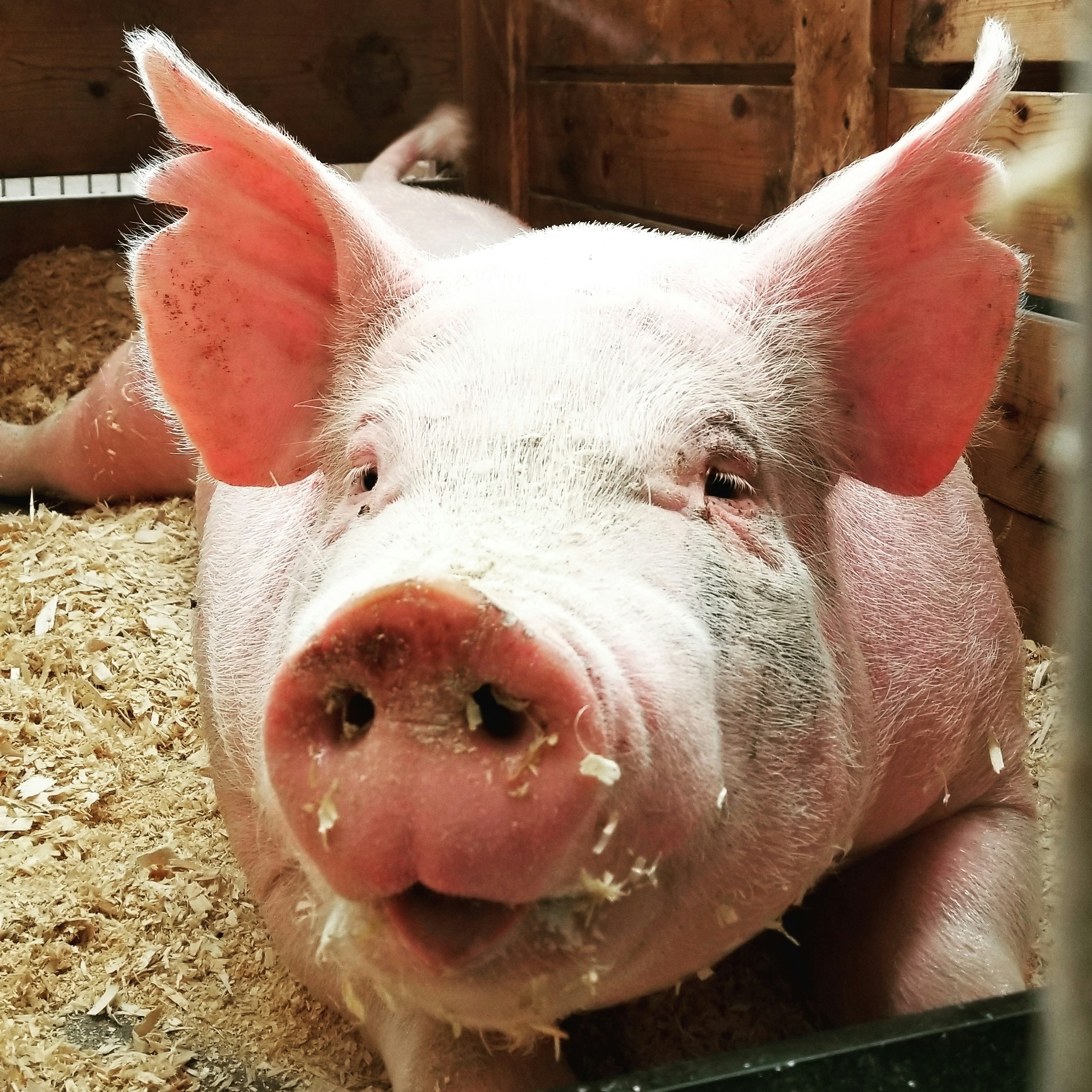
Specialist lifelong care for farm animals requiring protection, recovery and environments designed around their natural needs.
04
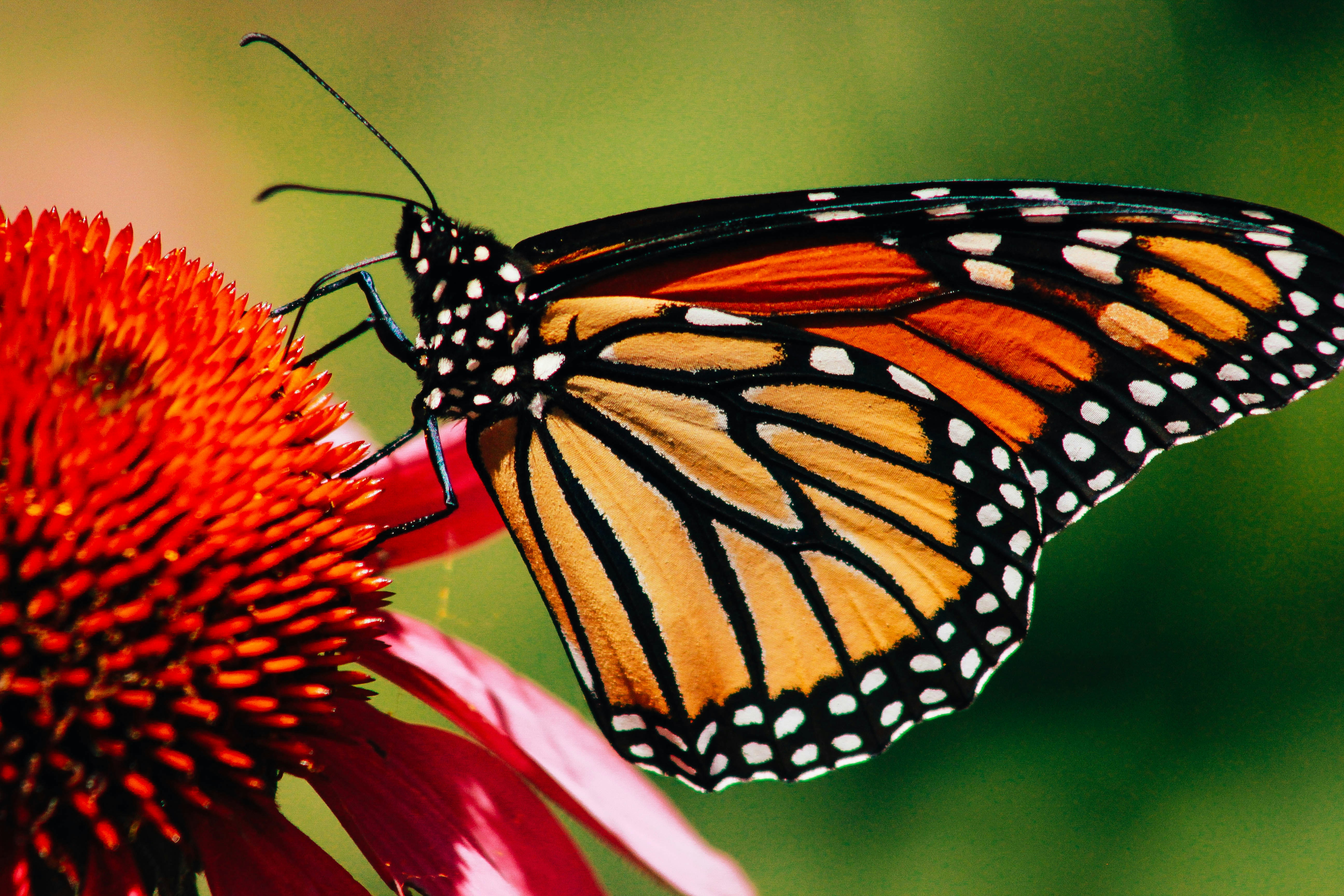
Habitat, research and practical protection for bees, butterflies, moths and the smaller species essential to functioning ecosystems.
05
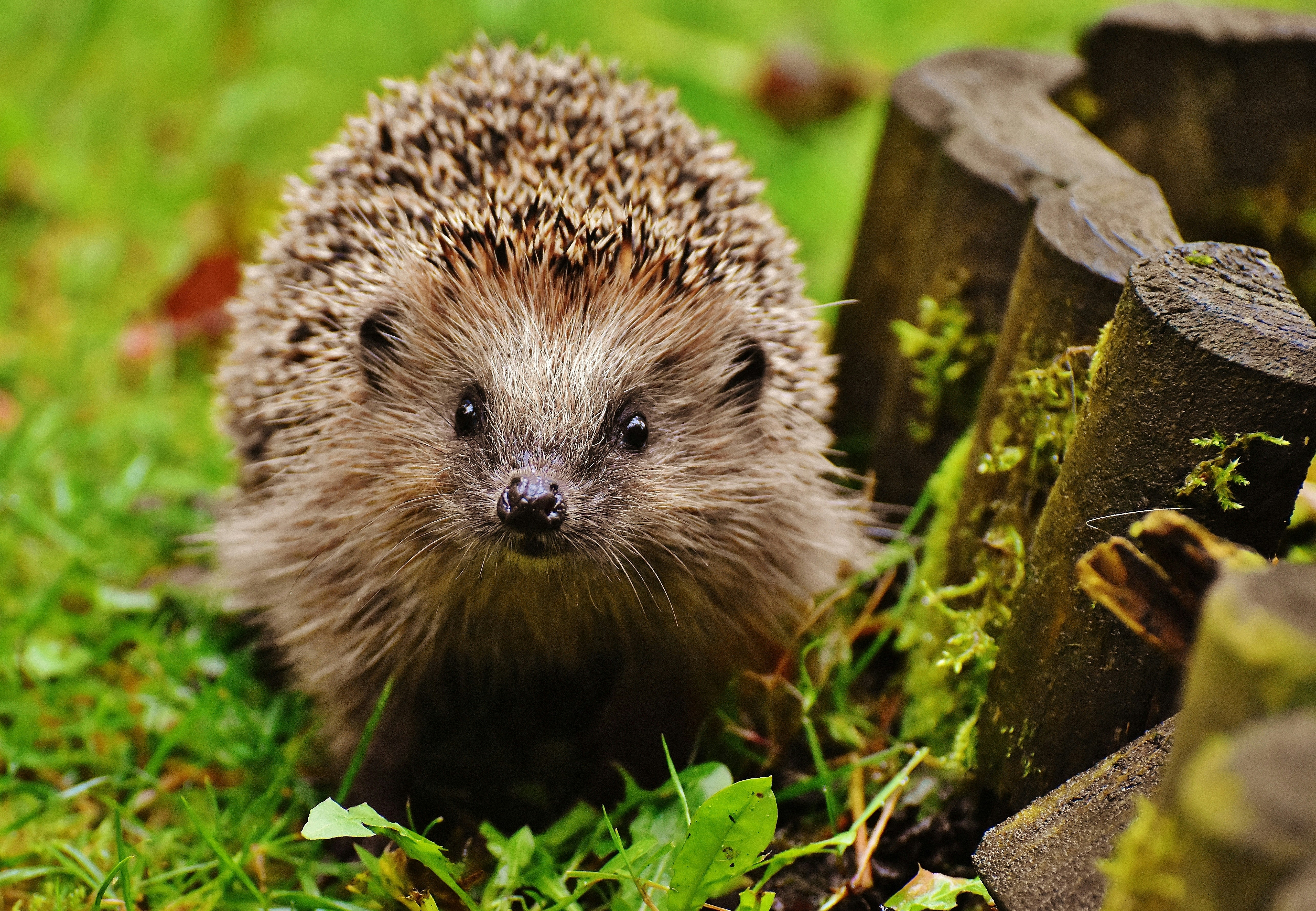
Supporting species whose populations have declined or disappeared through rehabilitation, habitat restoration and responsible reintroduction.
Specialist medical care
Wildlife, domestic animals and farm animals require different veterinary expertise, environments, infection controls and rehabilitation pathways.
01
Veterinary facilities, isolation areas and recovery environments designed specifically around wildlife medicine and rehabilitation.
02
Clinical, behavioural and long-term welfare support for dogs, cats and other domestic animals.
03
Specialist veterinary care and recovery facilities appropriate to large and small farm animals.
Recovery and wellbeing
Medical treatment alone is not enough. Physical, behavioural, emotional and environmental needs must all form part of recovery and long-term care.
01
Diagnosis, treatment, rehabilitation and continuing care appropriate to each animal and species.
02
Patient support for animals affected by fear, trauma, neglect or inappropriate previous environments.
03
Exercise spaces, training grounds, swimming, exploration and movement designed around individual needs.
04
Sensory stimulation, natural behaviours, social needs and environments that support a life worth living.
Often overlooked
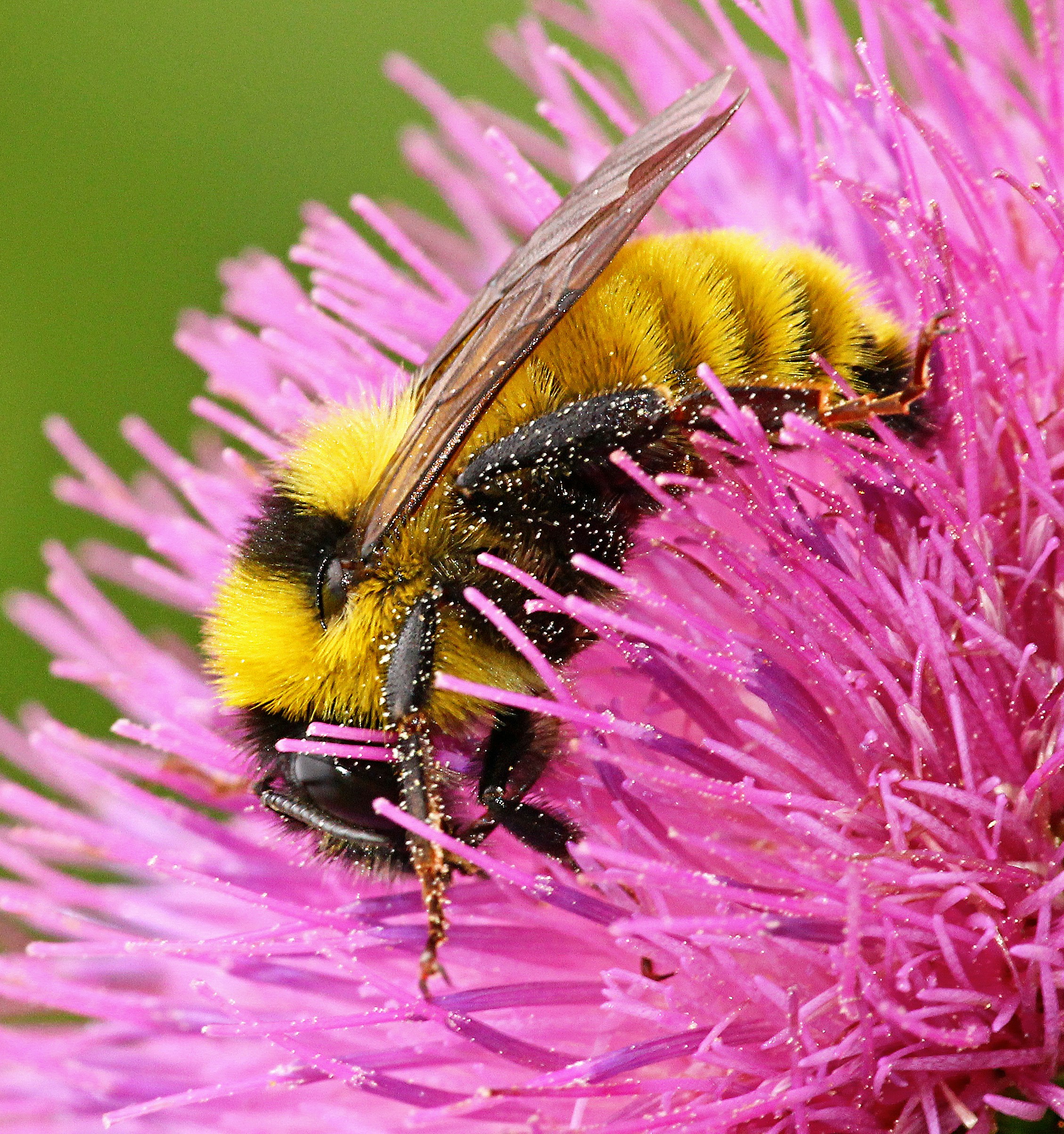
Bees, butterflies, moths, amphibians, reptiles, hedgehogs, bats, rabbits and smaller birds are essential to pollination, food chains, soil health and wider biodiversity.
Species Stewardship should protect the familiar and unfamiliar alike. Every species contributes to something larger than itself.
Species Stewardship and Conservation
Wildlife recovery must remain connected to habitat quality, food availability, ecological balance and continued monitoring.
Conservation & Rewilding creates the living environments required for responsible release, while Species Stewardship provides care, rehabilitation and species-specific knowledge.
Supported by HEADTURNED
Long-term ambition
The initial model should establish physically separated wildlife, domestic animal and farm animal areas, supported by appropriate medical, rehabilitation and enrichment facilities.
Separation protects welfare, supports infection control and allows each environment to be designed around the needs of the animals within it.
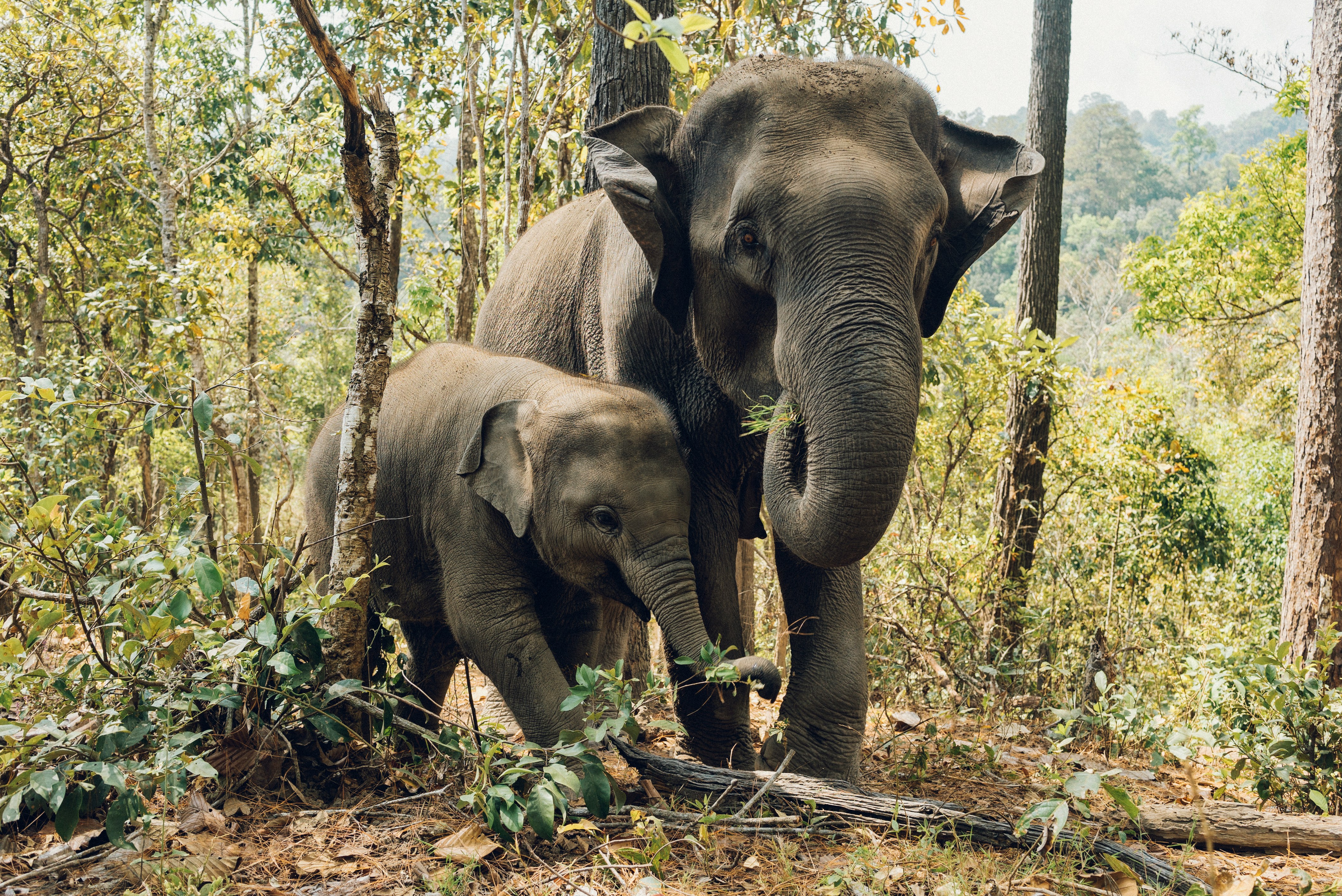
As knowledge, capability and resources grow, the model may expand throughout the United Kingdom, Europe and international locations where meaningful species protection can be achieved.
Current status
Species Stewardship depends upon the commercial strength of HEADTURNED STUDIO and the wider ecosystem's revenue generating capabilities. No sanctuary, medical centre, rescue operation or active animal intake should be implied until formally established.
Follow the work
HEADTURNED STUDIO provides dedicated free Channels where HEADTURNED Media can document species recovery, welfare, rehabilitation and long term stewardship with honesty and respect.