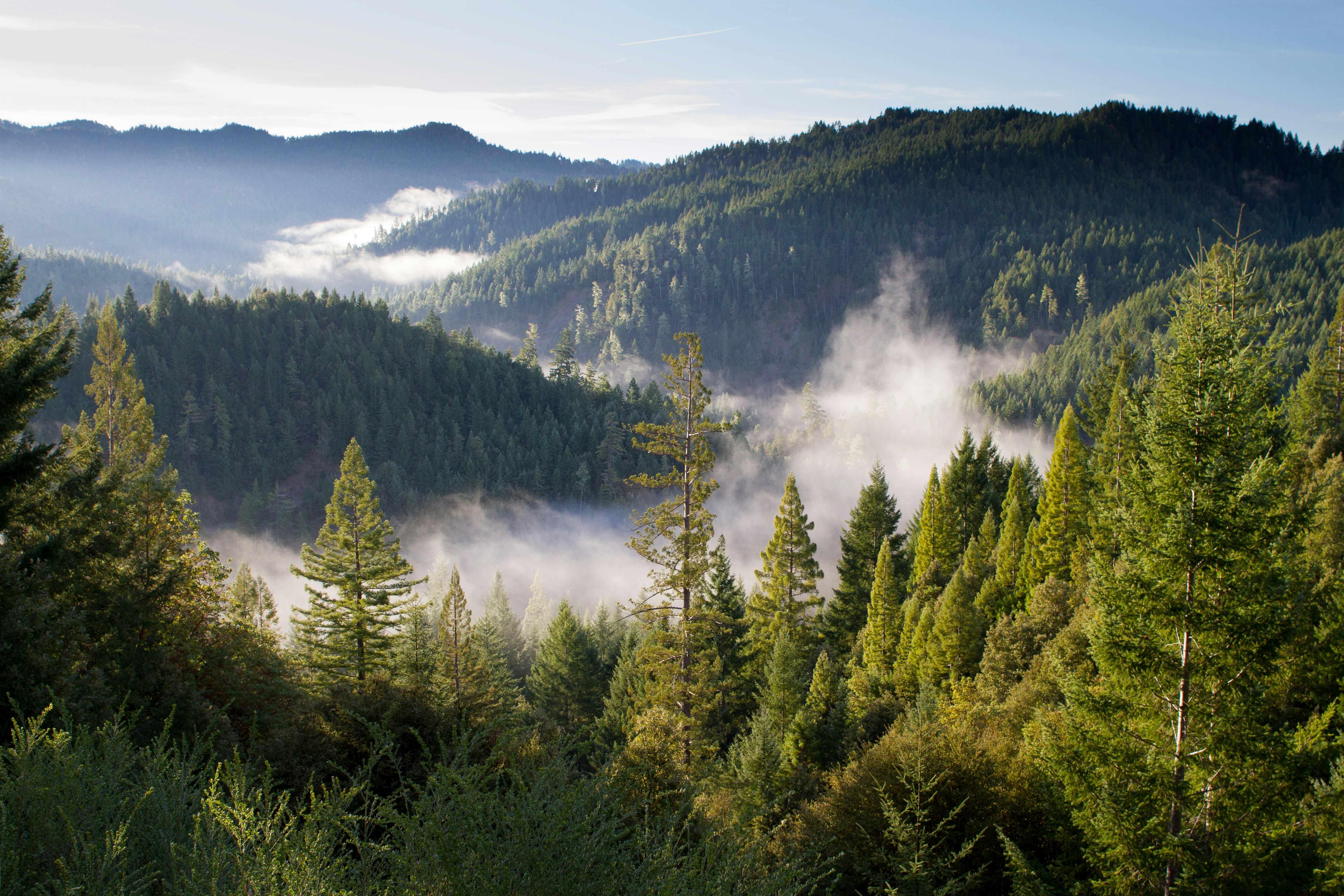
Native woodland and forest restoration
01
Woodland & forest restoration
Creating, connecting and expanding native woodland through natural regeneration, responsible planting and long-term stewardship.
Explore HEADTURNED
HEADTURNED Foundation / Conservation & Rewilding
Long-term stewardship of land, water and wildlife designed to help healthy, self-sustaining ecosystems return.
Conservation is ultimately an investment in humanity, because humanity cannot flourish without flourishing ecosystems.
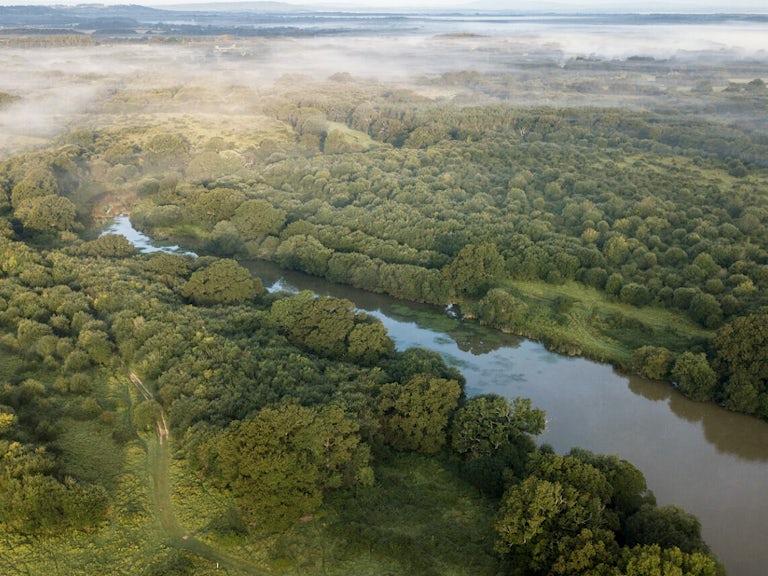
Why it exists
It is the restoration of living systems that allow nature, wildlife and humanity to flourish together.
Rewilding is not about returning to the past. It is about creating resilient ecosystems capable of supporting the future.
Living relationships
Ecosystem restoration is not a collection of separate interventions. It is the recovery of the relationships that make life possible.
01
Healthy soil supports plants, stores water, cycles nutrients and provides the foundation for wider recovery.
02
Rivers, wetlands and groundwater connect habitats and sustain life across entire landscapes.
03
Trees, grasses, flowers and native vegetation create food, shelter and ecological structure.
04
Pollinators and invertebrates support reproduction, decomposition and the wider food chain.
05
Birds, mammals, amphibians, reptiles and aquatic life strengthen functioning ecosystems.
06
Human stewardship, science and long-term responsibility can help damaged systems recover.
Programme areas
01
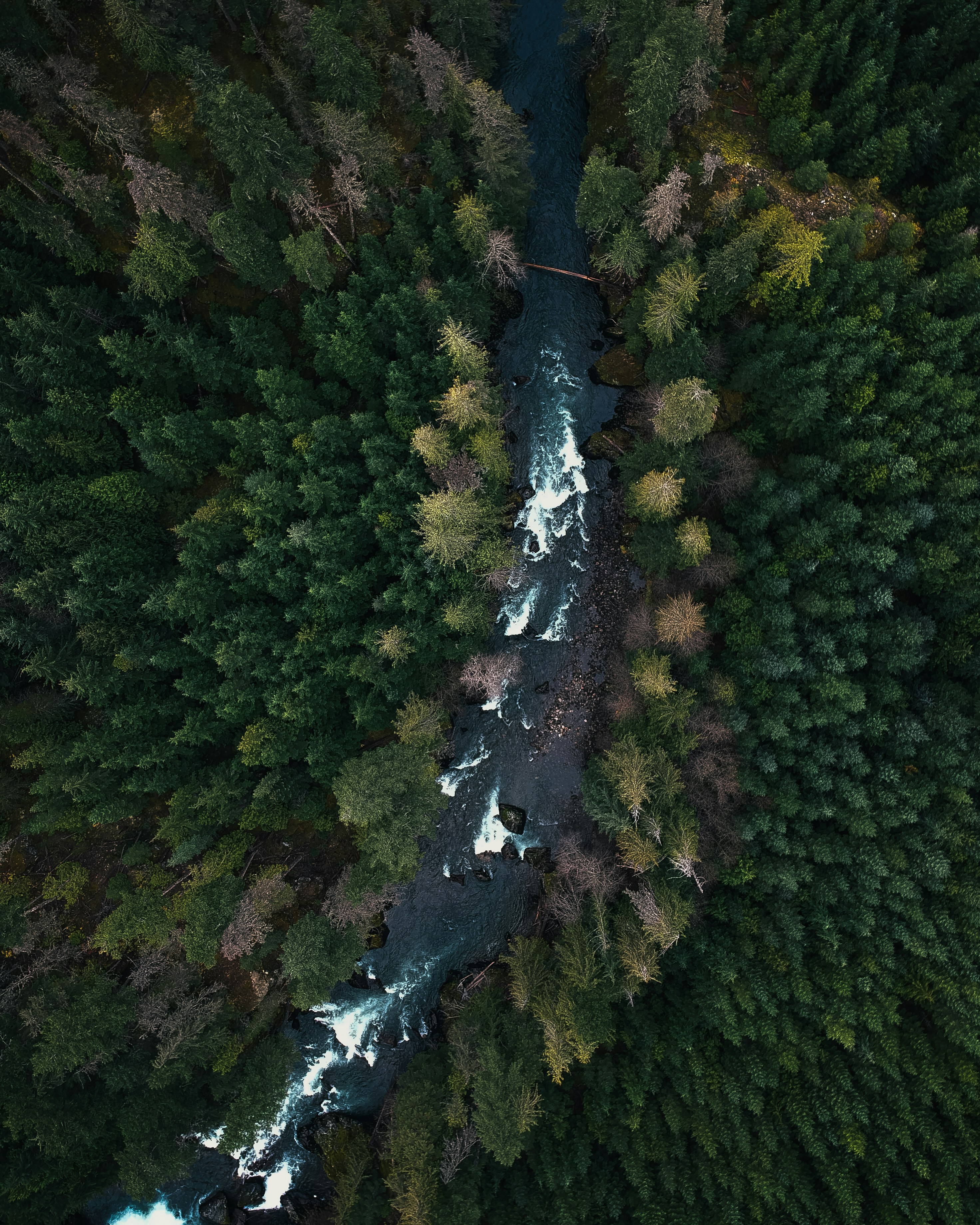
Creating, connecting and expanding native woodland through natural regeneration, responsible planting and long-term stewardship.
02
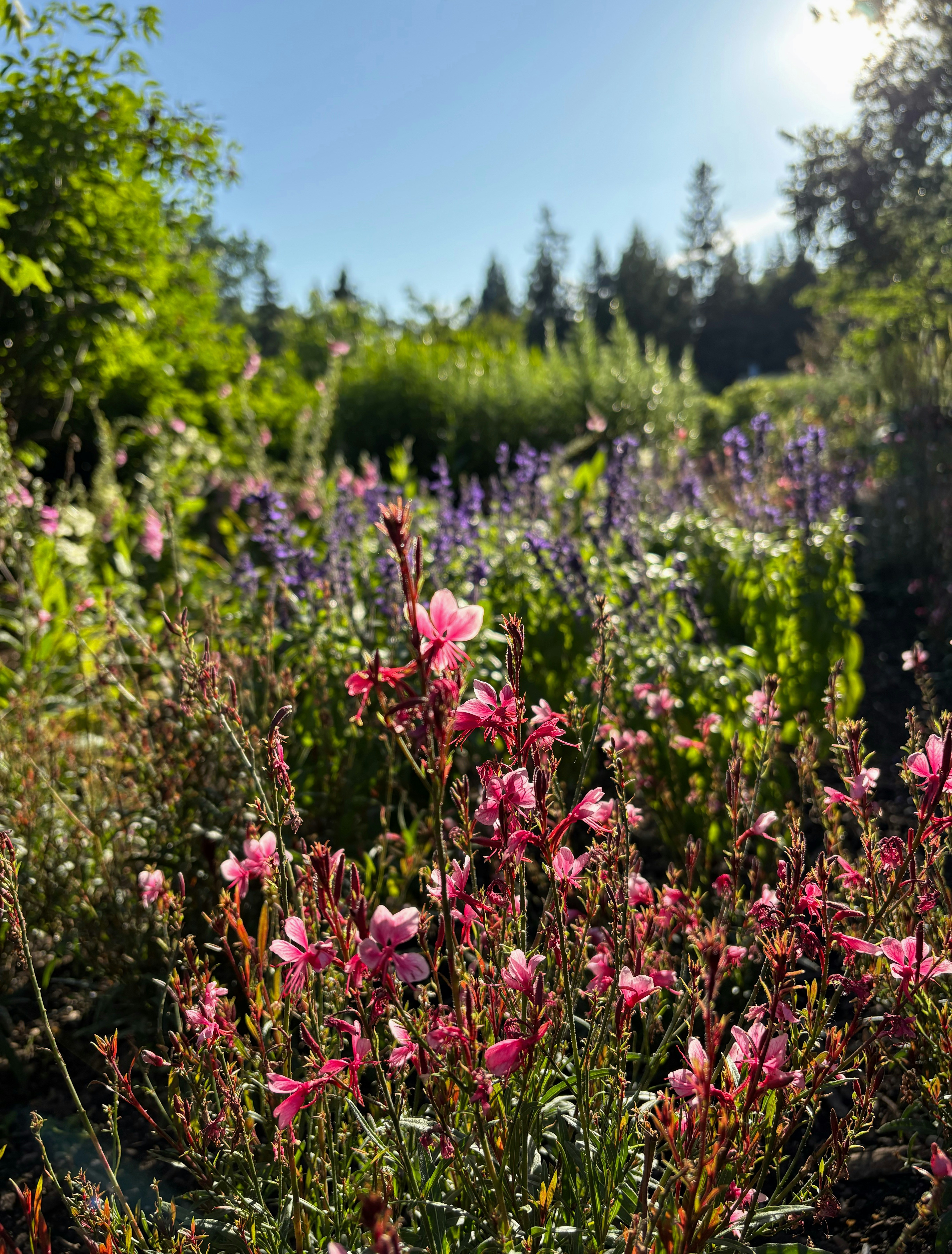
Restoring meadows, grasslands, wetlands, hedgerows, pollinator corridors and the living relationships between them.
03
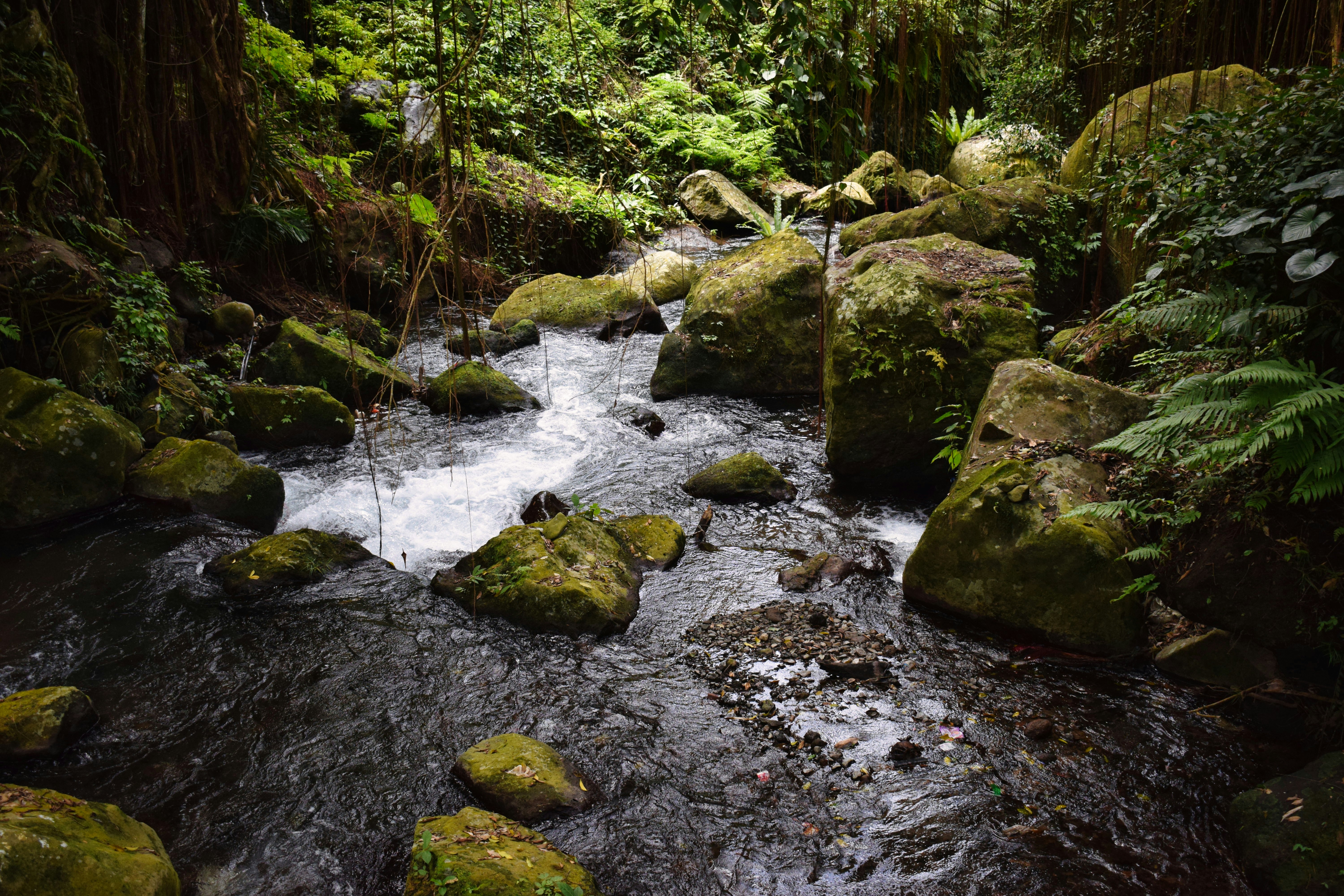
Protecting rivers, chalk streams, ponds, lakes and wetlands while improving water quality and ecological resilience.
04
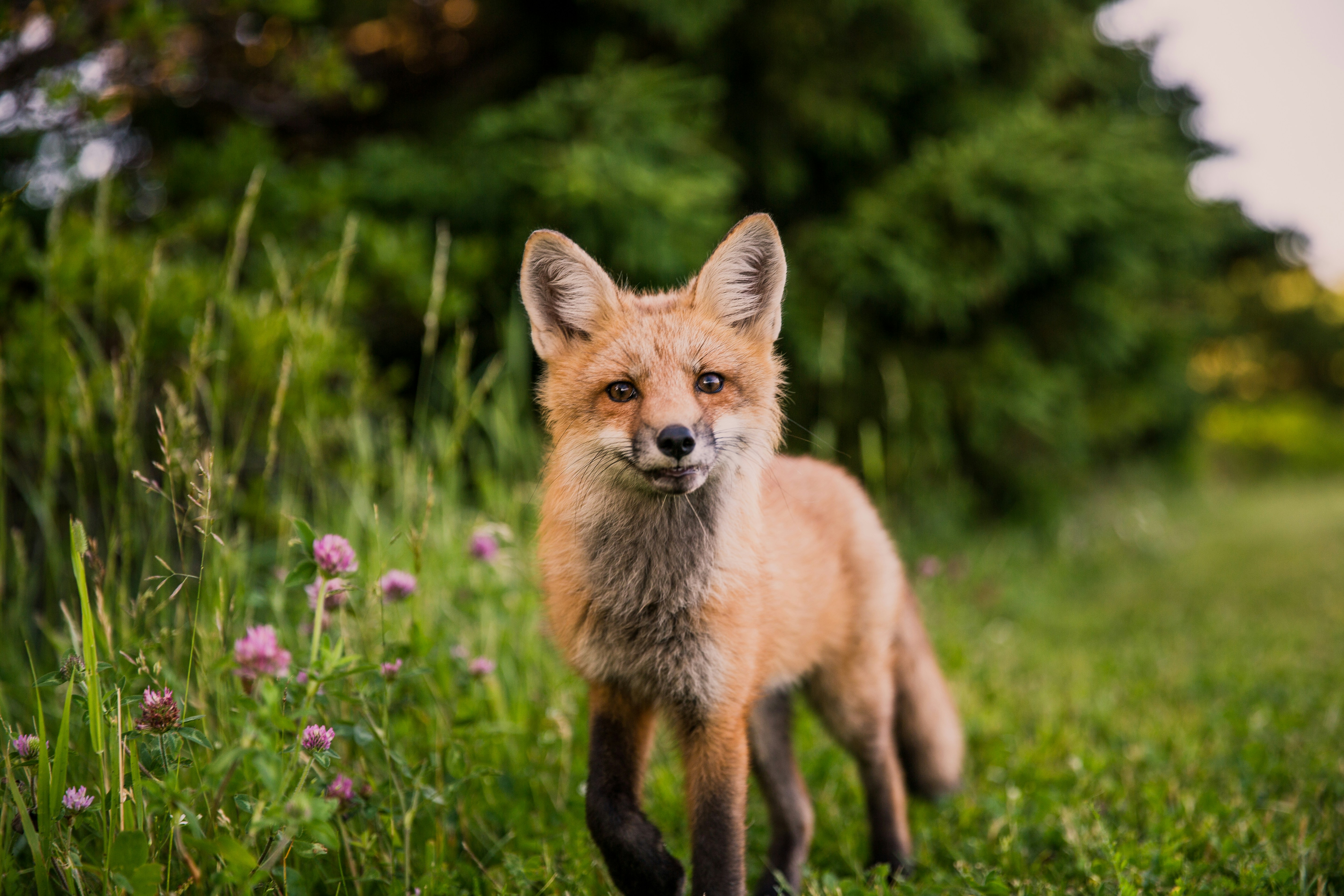
Creating healthy habitats for species recovery, responsible reintroduction and long-term monitoring in collaboration with the Species Stewardship.
05
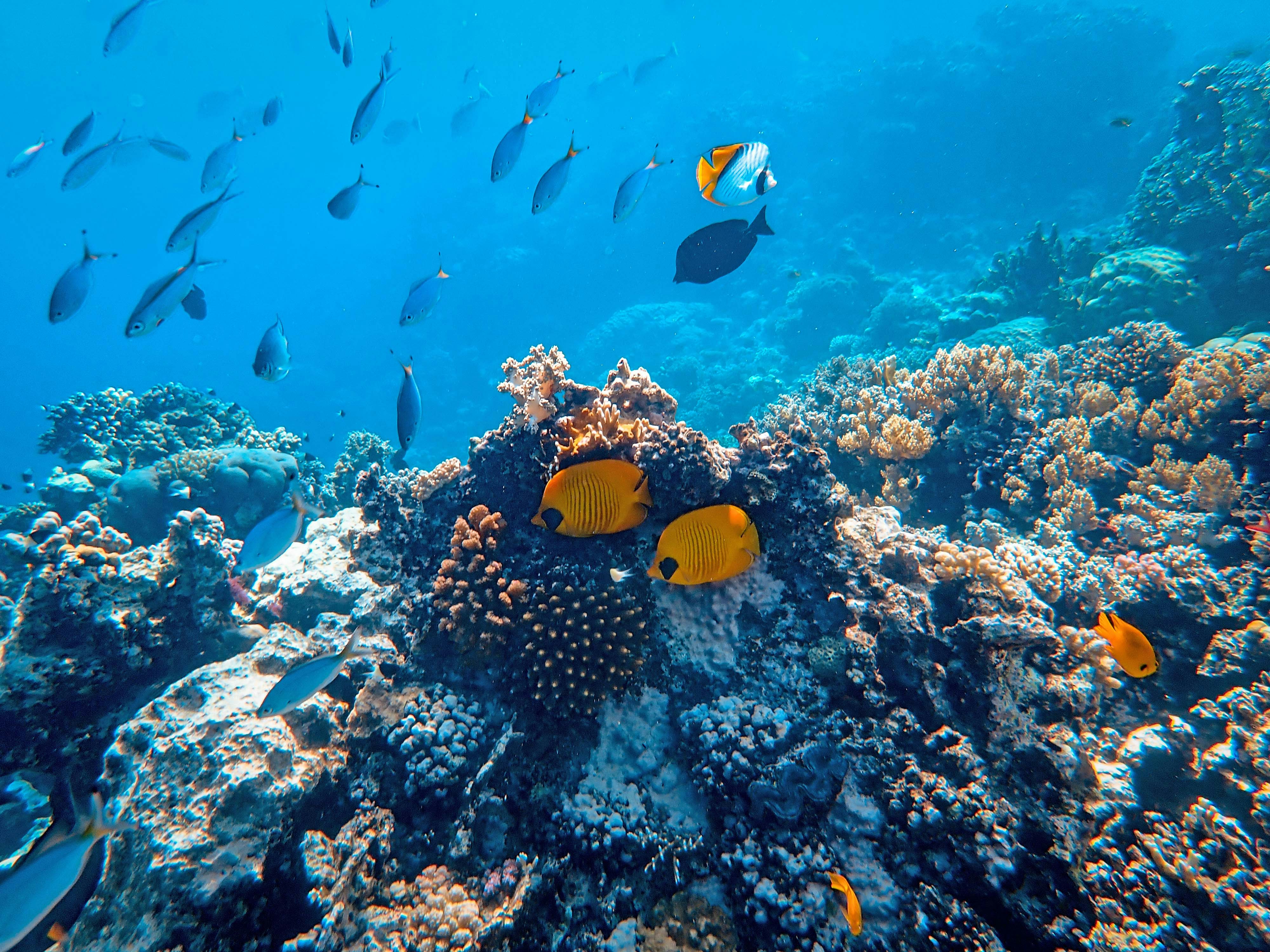
A future area of work spanning coastal habitats, marine biodiversity, seagrass, salt marshes and wider ocean recovery.
Conservation and the Species Stewardship
Wildlife rehabilitation and ecosystem restoration are inseparable. The Species Stewardship may provide care and rehabilitation, while Conservation & Rewilding creates and protects the habitats required for responsible release.
Release should never be treated as the end of the story. Suitable habitat, monitoring and long-term ecological health remain essential.
Observation and evidence
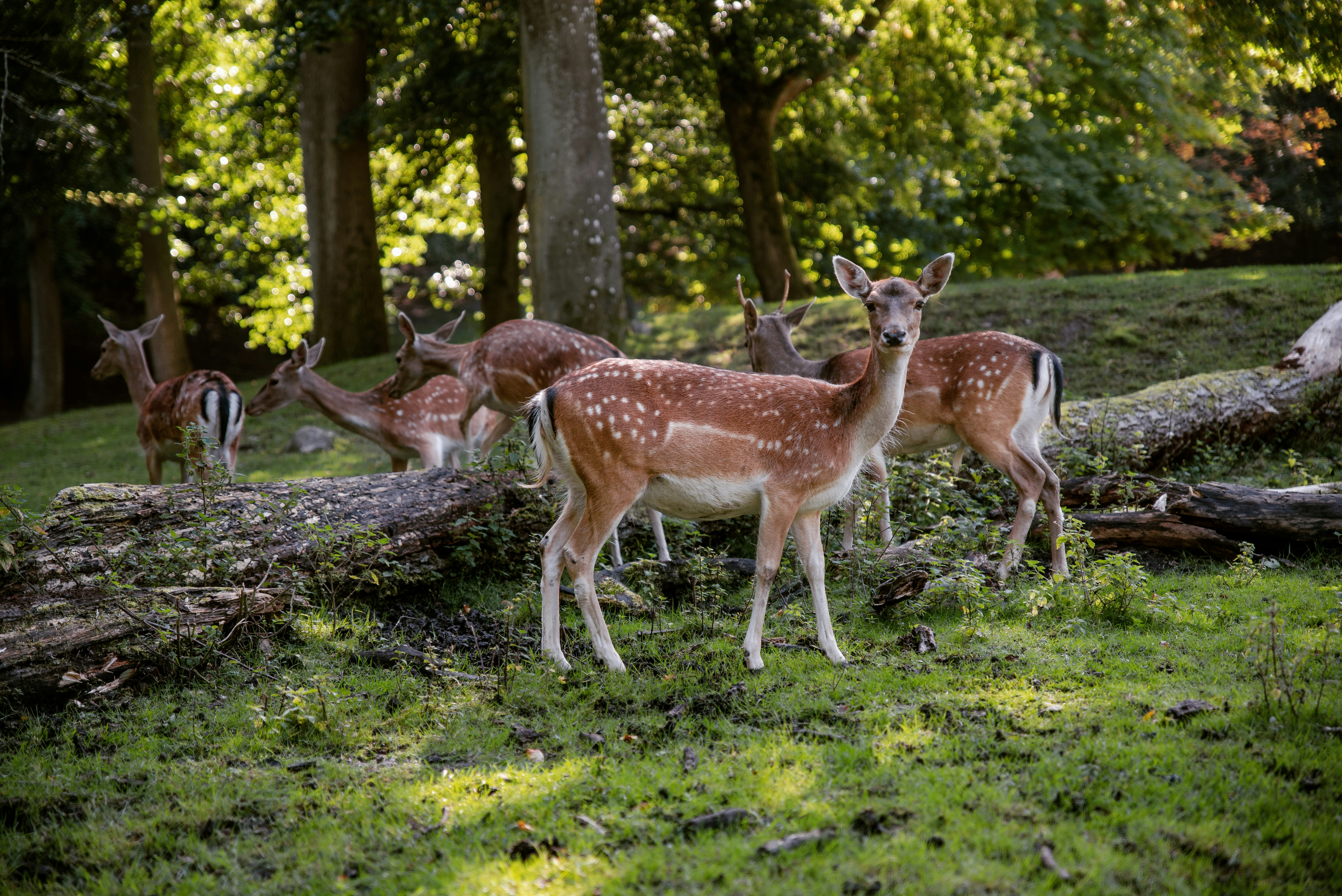
Long-term ecological monitoring should record how landscapes, waterways, habitats and species change over time.
Evidence should guide stewardship, reveal what is working and preserve a permanent record for researchers, communities and future generations.
Supported by HEADTURNED
Global ambition
The initial ambition is to acquire land and restore complete ecological systems rather than undertake isolated cosmetic projects.
Over time, individual sites may become connected woodlands, forests, waterways and protected landscapes across the United Kingdom, Europe and international locations.
The programme should think globally while remaining personal: every recovered species, healthy river and restored habitat represents a meaningful investment in the future of humanity.
Current status
Conservation & Rewilding depends upon the commercial strength of HEADTURNED STUDIO and the wider ecosystem's revenue generating capabilities. No land ownership, restoration programme or active conservation operation should be implied until formally established.
Follow the journey
HEADTURNED STUDIO provides dedicated free Channels where HEADTURNED Media can share evidence, progress and lessons as the programme develops.