HEADTURNED Featured News

The Vision Expands

Part 4 of the Founders Journey marks the moment our work leaves the ground. HEADTURNED’s model; regenerative, creative, and data-driven; began to spread through open collaboration. This is the reality of scaling purpose without losing soul.

HEADTURNED Foundation·
Start-up
From local sanctuaries to global networks; technology and nature working together at scale.
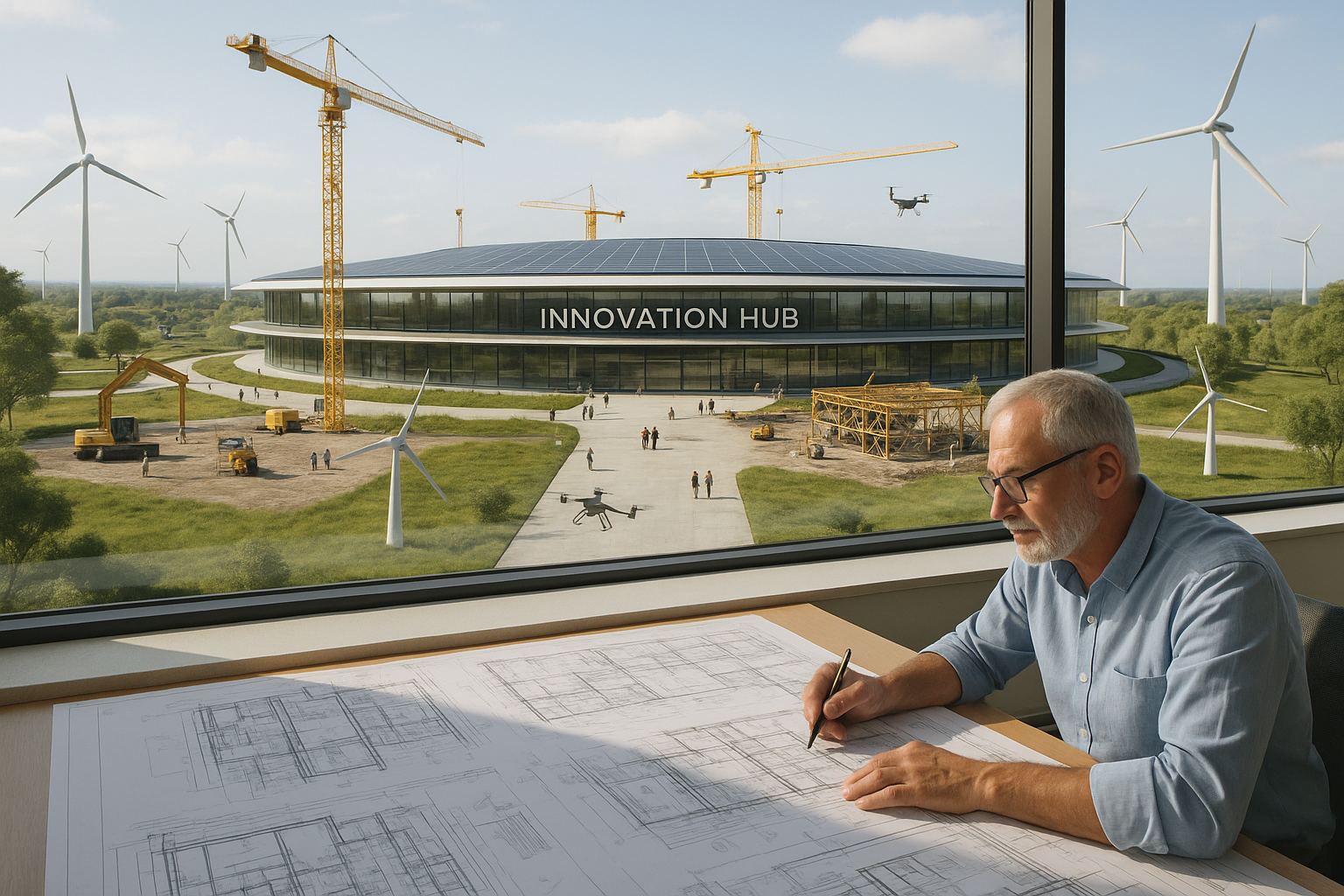
The moment where vision transforms into physical design.

Expansion Plan

Scaling the Model

Growth will not be copy and paste; it will be context aware. Each new location will adapt the HEADTURNED blueprint to local landscape; culture; and climate.

As PPV revenue comes online; the Foundation will deploy a structured rollout; start with one to two anchor regions; validate operations; then replicate. The principles are constant; circular economies; open data; shared ownership; community benefit.

  • Anchor first wave in regions with strong partner capacity; proven community interest; and viable sanctuary sites.
  • Use a repeatable setup kit; governance templates; monitoring methods; and procurement lists.
  • Publish clear cadence; quarterly reports; public dashboards; open learning notes.

Hubs

Innovation Hub; The Epicentre

Our first Innovation Hub will sit on the local flagship site; it will act as the blueprint for every future hub. It will welcome teachers and students; entrepreneurs and start-ups; and researchers from universities worldwide; all working together with shared resources and open data.

The Hub will focus on advancing practical skillsets; agricultural and horticultural trials; and applied technology. We will combine field practice with lab-grade data; so decisions are evidence based and repeatable.

What the Hub will do

  • Education for all; teacher training; student pathways; youth programs; and adult reskilling.
  • Entrepreneur support; start-up coaching; prototyping; and access to shared equipment.
  • Global university collaboration; shared methods; visiting researchers; and co-authored learning notes.
  • Agricultural trials; soil and water management; crop variety testing across cultures and climates; pollinator-friendly practices.
  • Drone and sensing technology; aerial mapping; crop health analysis; habitat monitoring; precision application where appropriate.
  • Data as a public good; open protocols; comparable metrics; privacy first; community readable dashboards.
  • Ethical science; develop and promote validated alternatives to animal testing; cosmetics and product safety informed by data and modern methods.

The Hub will operate as a place to learn; build; and validate ideas. People will be able to follow progress through HEADTURNED PPV channels; choose areas of interest; and see how their support translates into outcomes on the ground.

How we will build it

  • Modular footprint; containerised labs; classroom space; makerspace; studio for content and training.
  • 90-day commissioning plan; power; data; safety; access; and baseline equipment installed.
  • Documented playbook; governance; curricula; kit lists; and maintenance schedules; ready for replication.

After the epicentre is live; we will extend the model to smaller satellite hubs globally; each connected back to the main hub through data; methods; and mentorship.

Phase 1; Epicentre

Launch local hub; validate programs; publish the playbook.

Phase 2; Satellites

Stand up smaller hubs with local partners; apply the same metrics; adapt to context.

Phase 3; Federation

Link hubs through shared data and peer support; compare results; improve methods together.

Partnerships

A Practical Framework for Collaboration

Collaboration will prioritise outcomes over ownership; clarity over complexity. We will use simple agreements; scopes; timelines; and open reporting.

  • Conservation partners; habitat corridors; species recovery baselines; data standards.
  • Academic partners; monitoring design; water; soil; pollinators; carbon; peer review where useful.
  • Local authorities and communities; access; education; safety; shared governance.
  • Technology partners; low-cost sensors; dashboards; and training for local teams.

Memorandums of Understanding will be published; with public summaries; so communities can see who is doing what; by when.

Programs

Culture; Language; and Technology

Culture for the Foundation means people and place; understanding local languages; customs; and priorities; then applying technology that makes participation possible for everyone.

What this will include

  • Local context first; community briefings; place history; and language access baked into every project.
  • Multilingual materials; plain-language summaries; translated field guides; captions; and alt text as standard.
  • Community liaisons; roles for local coordinators who bridge culture; language; and project delivery.
  • Scholarships and placements; funded routes through the Innovation Hub for people who would not otherwise access university or technical training; including teacher pathways.
  • University links; reserved placements; visiting researcher exchanges; and credit-bearing fieldwork for students from diverse backgrounds.
  • Accessible participation; remote attendance; captioned sessions; screen-reader friendly documents; low-bandwidth options.

Technology will serve inclusion; not the other way around. We will select tools that lower barriers; make results comparable; and keep data useful to local communities.

Technology we will apply

  • Open data and dashboards; shared protocols; community readable views; privacy safeguards.
  • Mapping and sensing; GIS; low-cost sensors; satellite and drone imagery where appropriate; repeatable survey methods.
  • Digital translation; multilingual content pipelines; glossary of key ecological terms; community review for accuracy.
  • Digital twins for sites; simple site models that show habitat changes over time; accessible on the web.
  • PPV channel access; project updates shared through HEADTURNED PPV so people can follow topics in their own language and area of interest.

Each program will publish clear objectives; who benefits; how language access is provided; and a short close-out report with what we learned; and what improves next time.

Next

Looking Ahead

As the network grows; so does our responsibility; to remain transparent; humble; and adaptive. The next stage will focus on replication quality; not speed; with open audits of what works; and what needs to change.

In Part 5; Restoring Humanity with Nature; we will outline how the model closes the loop; practical steps to support human wellbeing alongside ecological repair.