
HEADTURNED Articles
The Vanishing Chorus: Saving Breeding Birds
Over 50 years, global breeding bird populations have plummeted, threatening biodiversity. We must act now to restore nature's balance.
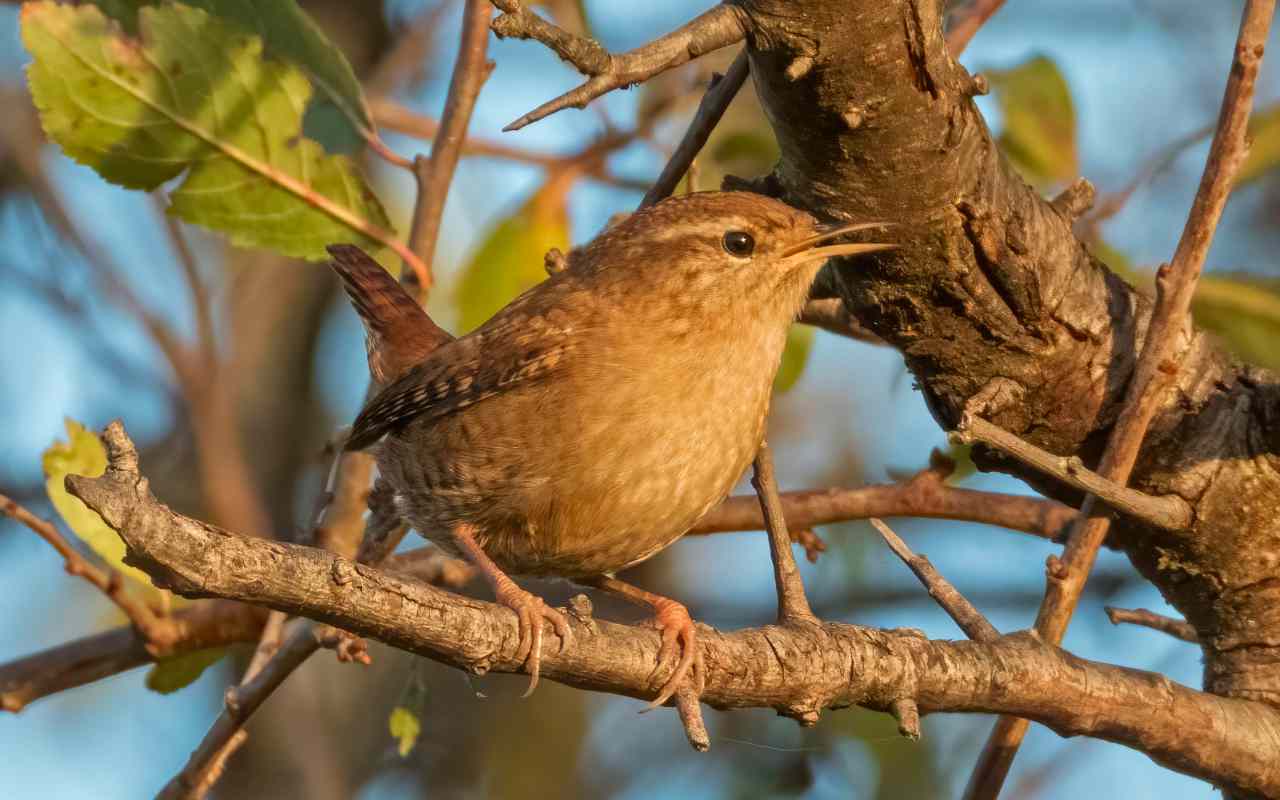
Empty Skies, Empty Gardens
The Silent Crisis
The global decline in breeding birds is one of the clearest warnings of ecological collapse. Once-vibrant skies now stand silent; gardens bereft of song, forests without their familiar chorus. In the last 50 years, we have witnessed a staggering loss of life across our skies.
Habitat destruction, climate instability, and pollution have all played their part. The disappearance of birds is not an isolated tragedy; it's a sign of systems unraveling across the natural world.
Empty Skies, Empty Gardens
The Decline of Breeding Birds: A Global Crisis
Vanishing Avian Populations
In just five decades, the UK has lost over 40 million birds, and globally, three billion have vanished since 1970. Skylarks, nightingales, and sparrows — once symbols of spring — now teeter on the edge of absence.
Birds are essential to ecosystem health — pollinating plants, dispersing seeds, and controlling pests. Their decline sets off cascading effects that destabilise food chains and threaten biodiversity itself.
The greatest declines are seen in regions dominated by intensive agriculture, monocultures, and deforestation — landscapes stripped of diversity, leaving no refuge for wildlife.
Empty Skies, Empty Gardens
The Impact of Losing Breeding Birds
Ecological Collapse
Birds maintain ecological balance — without them, insect populations explode, crops suffer, and forests struggle to regenerate. Their loss accelerates the biodiversity crisis and weakens nature's resilience.
Cultural and Emotional Loss
Birds have always symbolised freedom and hope. Their songs shaped cultures and inspired art for centuries. Losing them erases not only biodiversity but also part of our shared human spirit.
Empty Skies, Empty Gardens
Empty Skies: A False Normal
Children now grow up believing silent mornings are normal. This disconnection from nature breeds apathy, undermining future conservation. We must rekindle awareness that a world rich in birdsong is not a luxury — it's vital to our mental and ecological health.
Empty Skies, Empty Gardens
Regenerating Breeding Bird Populations
Rewilding Habitats
- Restore Hedgerows: Plant field margins to create safe corridors for nesting and feeding.
- Protect Wetlands: Expand wetlands to support waterfowl and migratory species.
- Green Urban Spaces: Encourage rooftop gardens and bird-friendly architecture in cities.
Sustainable Practices
- Reduce Pesticides: Support organic and regenerative farming.
- Diversify Crops: Encourage mixed-use agroforestry to boost habitat diversity.
Advocacy and Education
- Public Awareness: Campaigns and media can inspire empathy and participation.
- Youth Education: School birdwatching programs nurture future conservationists.
Empty Skies, Empty Gardens
A Future of Flourishing Skies
Strengthen legal protections, connect biodiversity corridors, and invest in ecological research. Transition from exploitation to restoration — ensuring every species, from the smallest wren to the mightiest eagle, has a home in our shared future.
Empty Skies, Empty Gardens
Call to Action
Restore Our Natural World
Protect habitats, adopt sustainable lifestyles, participate in citizen science, and support organisations committed to conservation. Each small act rebuilds the chain of life that keeps our planet singing.
Share this page
Help us spread the word about HEADTURNED and the work we're building.